
Leave Your Message
Engineered for field-proven radiometric accuracy, high thermal sensitivity, and plug-and-play adaptability across Canadian industrial, telecom, and security infrastructures.
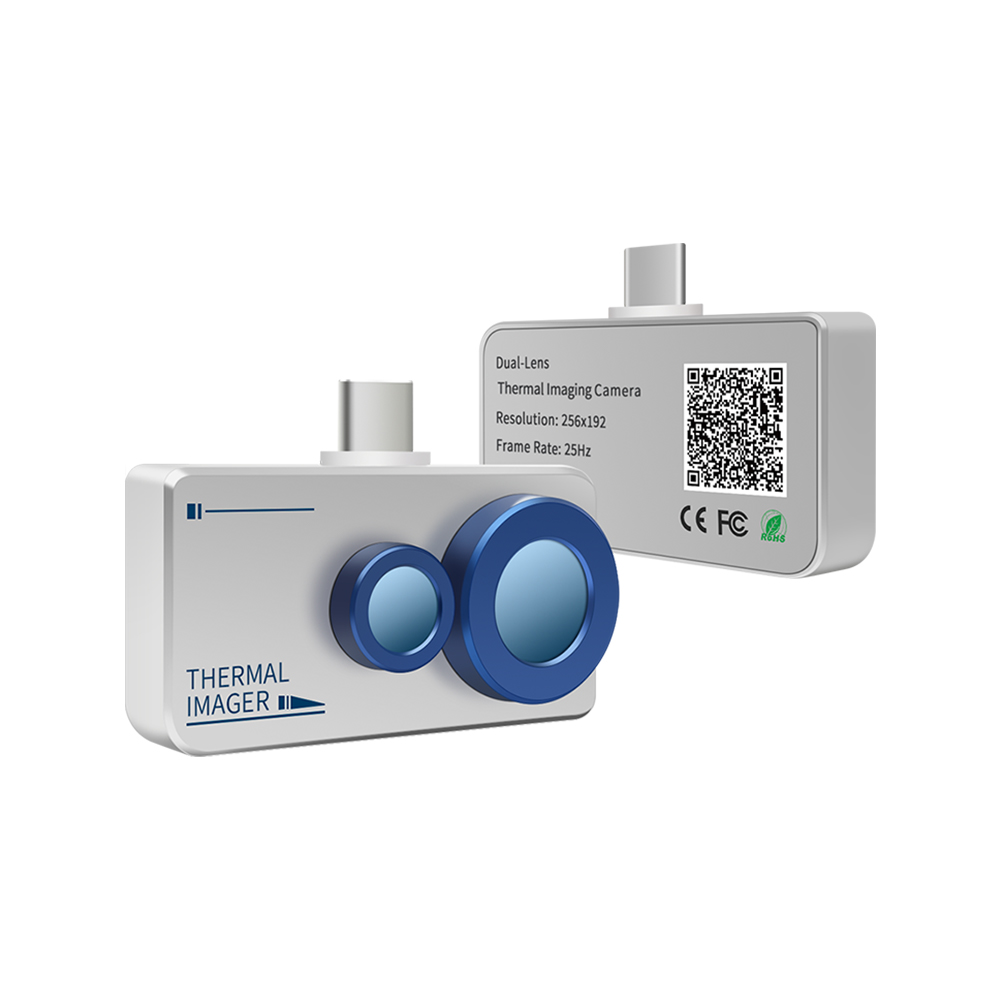
Ultra-compact, smartphone-integrated thermal imager delivering quick-deployment thermography for Canadian field engineers, building envelope audit, and electrical maintenance.

High-definition thermal sensor combined with advanced visual overlays. Calibrated for Canadian mining operations, sub-station monitoring, and heavy mechanical inspections.
Premium 640x512 uncooled thermal core providing ultra-crisp resolution, broad radiometric range, and ruggedized housing built to thrive under sub-zero Canadian climates.
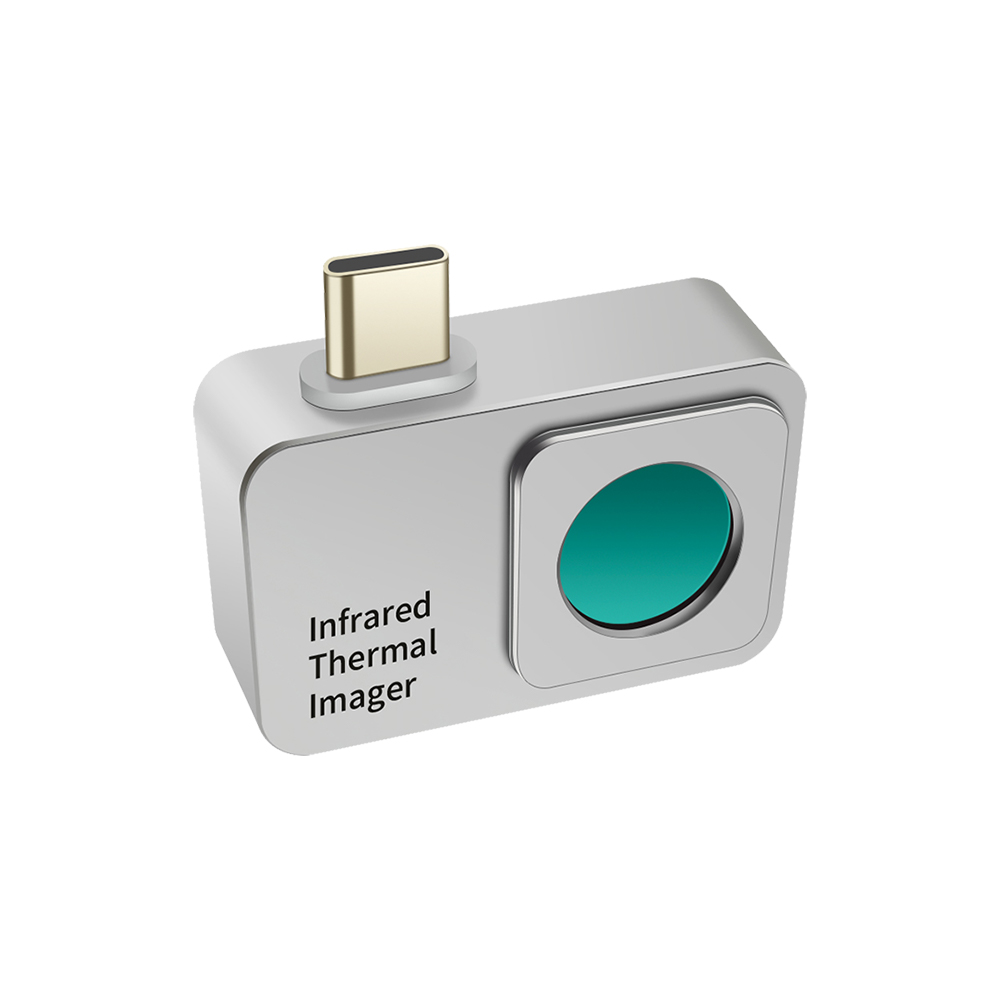
Lightweight, high-efficiency sensor interface enabling fast temperature diagnostics, thermal leak detection, and on-site tactical perimeter assessment via Android / iOS.
From the freezing oil fields of northern Alberta to maritime transportation hubs in Vancouver and Halifax, surveillance imagers face extraordinary demands across the Canadian Federation.
As Canadian industries, governmental bodies, and private enterprises modernize their physical security and non-destructive testing (NDT) capabilities, the procurement of high-specification surveillance imagers has undergone exponential growth. Operating across vast, sparsely populated geographic regions with extreme seasonal weather shifts—ranging from humid summer highs of +35°C to severe Arctic vortex temperatures below -45°C—Canadian system integrators require thermal and visual sensor hardware that combines rugged physical resilience with exceptional optical clarity.
In traditional video surveillance systems, ambient darkness, blinding blizzard whiteouts, heavy fog along coastal waterways, and dense forest foliage severely degrade standard optical image performance. Surveillance imagers utilizing uncooled Vanadium Oxide (VOx) microbolometers with high thermal sensitivity (NETD ≤ 40mK or 35mK) have become the gold standard for Canadian commercial perimeter security. Because thermal sensors detect radiant thermal emissions rather than reflected visible light, they penetrate obscurants such as smoke from seasonal boreal wildfires across British Columbia, dense oceanic fog banks in the Maritimes, and zero-lux winter night conditions in the Northwest Territories.
Exporters supplying the Canadian security ecosystem must address technical specifications tailored to these environmental stressors. This includes conformal coating on multilayer PCBs to prevent condensation during freeze-thaw cycles, specialized internal de-icing heating elements within optical housings, and anti-reflective coated Germanium (Ge) lenses capable of retaining uniform spectral transmission across the 8μm to 14μm long-wave infrared band.
Thermal surveillance imaging systems in Canada have diversified well beyond conventional perimeter fencing. Major infrastructure sectors actively incorporating automated thermal monitoring include:
In the oil sands of Athabasca and gas pipelines traversing Alberta and British Columbia, fixed and pan-tilt-zoom (PTZ) radiometric imagers monitor pump stations, pipeline joints, and storage tanks for fugitive thermal emissions, structural degradation, and perimeter intrusions.
Subterranean and open-pit mining operations in northern Ontario, Quebec, and Nunavut deploy ruggedized handheld units (such as the DP-38D and DP-64D) and continuous monitoring surveillance imagers to prevent heavy haul truck collisions, monitor kiln refractory lining wear, and detect electrical switchgear overloads.
With provincial utilities like Hydro-Québec, BC Hydro, and Ontario Power Generation managing remote substations, continuous surveillance imagers detect phase unbalance, transformer insulator flashovers, and overheating harmonic filters before catastrophic grid failures occur.
The Canadian marketplace is currently experiencing a rapid migration toward smart sensor nodes. Rather than sending massive raw thermal video feeds back to central monitoring facilities via low-bandwidth satellite links commonly found in remote Canadian outposts, contemporary surveillance imagers integrate on-chip edge artificial intelligence. Neural network classifiers distinguish between wandering Canadian wildlife (such as moose, black bears, and caribou) and actual human or vehicular security breaches, drastically reducing false alarm rates that plague traditional motion-detection sensors.
Furthermore, Canadian environmental monitoring agencies are pairing thermal imager payloads with uncrewed aerial vehicles (UAVs) for early wildfire hotspot detection, locating hidden embers smoldering beneath thick peat layers days before flames breach the surface. Handheld and smartphone-coupled thermal units (e.g., the H2F6B and H1FB series) empower rapid-response conservation officers and provincial wildland firefighters with immediate tactical situational awareness in dense forestry terrains.
A systematic overview of Canadian operational specifications, regional demands, and engineering compliance benchmarks for imported surveillance imaging platforms.
| Target Region / Sector | Primary Operational Challenge | Required Imager Specification | Target Compliance & Standards |
|---|---|---|---|
|
Alberta / Saskatchewan Oil Sands & Refineries |
Volatile hydrocarbon vapors, explosive dust environments, winter lows (-40°C). | Intrinsically safe housings, Class I Div 2 / ATEX equivalent thermal cores, continuous high-temp radiometric alerts. | CSA C22.2 No. 213, Class I Zone 2, IP66/IP67 ingress ratings. |
|
British Columbia / Maritimes Deepwater Seaports & Ferries |
Salt-fog corrosion, constant high humidity, heavy water spray, dense maritime fog. | Corrosion-resistant 316L stainless steel enclosures, motorized germanium de-fog optics, gyro-stabilized PTZ turrets. | NEMA 4X / IEC 60529 IP68, MIL-STD-810G salt fog resistance. |
|
Ontario & Quebec Hydro Generation & Substations |
High electromagnetic interference (EMI), high-voltage transformer yards, remote telemetry. | Shielded electrical architecture, dual-spectrum (visible + LWIR) radiometric alarms, SCADA/Modbus/ONVIF integration. | ICES-003 Class A, IEEE 1613 / IEC 61850-3 substation EMC compliance. |
|
Northern Territories & Yukon Isolated Perimeter Security |
Permafrost ground shift, extended polar night, solar/battery powered off-grid setups. | Low-power consumption (≤5W) thermal cores, cold-boot heating down to -50°C, edge-AI human/animal classification. | ICES-003, Canadian Electrical Code (CEC) Part 1 standards. |
Collaborative thermal optical engineering ensuring every imager matches Canadian technical, environmental, and budgetary requirements.

We provide professional consultation to help you choose the optimal thermal imaging solution based on your application, budget, and technical requirements. Our engineering team can recommend suitable sensors, lenses, temperature ranges, and interface options tailored to Canadian operational standards.
We support full customization, including: Housing & industrial design, PCB and hardware customization, Firmware / APP / PC software development, Branding, packaging, and UI customization, Specialized algorithms (temperature analysis, AI/ML, etc.), Our R&D team works closely with you from concept to mass production.
We offer detailed datasheets, SDK/API, integration guidelines, and sample testing reports to ensure clear understanding before purchase.
Evaluation samples are available for testing and validation. We provide quick dispatch and technical support during your trial phase.

Rigorous quality protocols, ISO-aligned production pipelines, and transparent real-time manufacturing tracking.
Sustained technical commitment, warranty lifecycle coverage, and firmware development for Canadian partners.

Our engineering team provides prompt technical support for integration, SDK usage, firmware configuration, and product debugging.
All products come with a standard warranty. We offer: Free repair or replacement for manufacturing defects, Paid maintenance for out-of-warranty products, Fast turnaround for urgent cases.
We regularly release firmware updates, bug fixes, and feature improvements to enhance product performance and stability.
We commit to stable supply, component lifecycle management, and long-term product support to ensure your business continuity.
Streamlined international logistics delivering rapid, compliant transit directly to major Canadian commercial centers.
Navigating cross-border procurement into Canada demands specialized knowledge of export administration regulations, tariff schedules (HS Code 9027.50 / 8528.80 / 9025.19), and Canada Border Services Agency (CBSA) customs clearance protocols. As experienced exporters of industrial surveillance imagers, we provide end-to-end supply chain management tailored to Canadian commercial integrators, defense sub-contractors, and engineering distributors.
Whether routing shipments through express air freight hubs in Toronto Pearson International Airport (YYZ), Montreal Pierre Elliott Trudeau (YUL), or Vancouver International (YVR), or utilizing consolidated maritime container freight into the Ports of Vancouver or Montreal, our logistics framework guarantees prompt customs clearance, complete compliance documentation (including Commercial Invoices, Certificates of Origin, ICES self-declarations, and battery transport safety reports like UN38.3 for handheld thermal models), and transparent DDP/CIF tracking.
By maintaining rigorous component lifecycle management, we insulate our Canadian partners against sudden obsolescence, guaranteeing multi-year availability of core camera sensors, replacement Germanium window assemblies, SDK updates, and matched PCB sub-modules for long-term municipal, utility, and institutional security projects.
Explore our full line of professional-grade infrared thermal imagers and mobile diagnostic solutions available for immediate export to Canadian commercial and industrial buyers.
High-resolution mobile phone thermal sensor offering immediate radiometric analysis, intuitive temperature tracking, and seamless field reporting across Canada.
Built tough for Canadian industrial plant audits, electrical panels, and HVAC diagnostics with ergonomic grip and clear thermal-visual blending.
High-density 640-class thermal detector providing unmatched radiometric thermography for electrical power utilities and mining across northern Canada.
Pocket-sized thermal imager with instant smartphone connectivity for Canadian building envelope inspection, insulation checks, and security patrols.
High-value entry platform for rapid temperature screening, automotive maintenance, and tactical field checks with ultra-low power consumption.
Calibrated for extreme northern Canadian climates with battery pre-heating support, broad thermal measurement window, and high shock resistance.
Optimized for Canadian regional utilities requiring daily non-contact thermography of busbars, transformers, and distribution gear.
Advanced SDK support ready for Canadian software developers integrating thermal data pipelines into proprietary perimeter and facility software.