
Leave Your Message
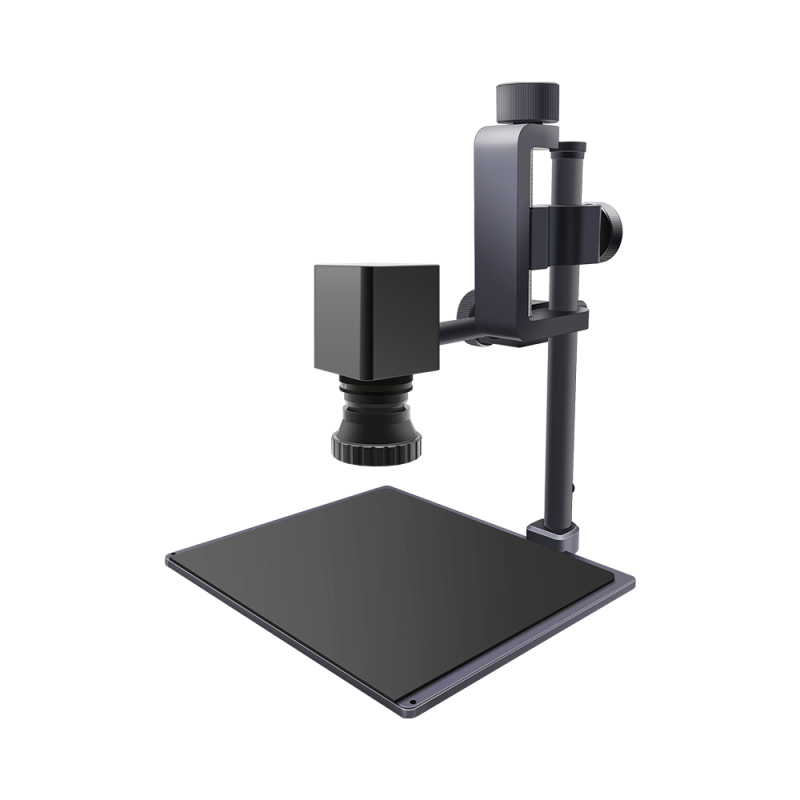
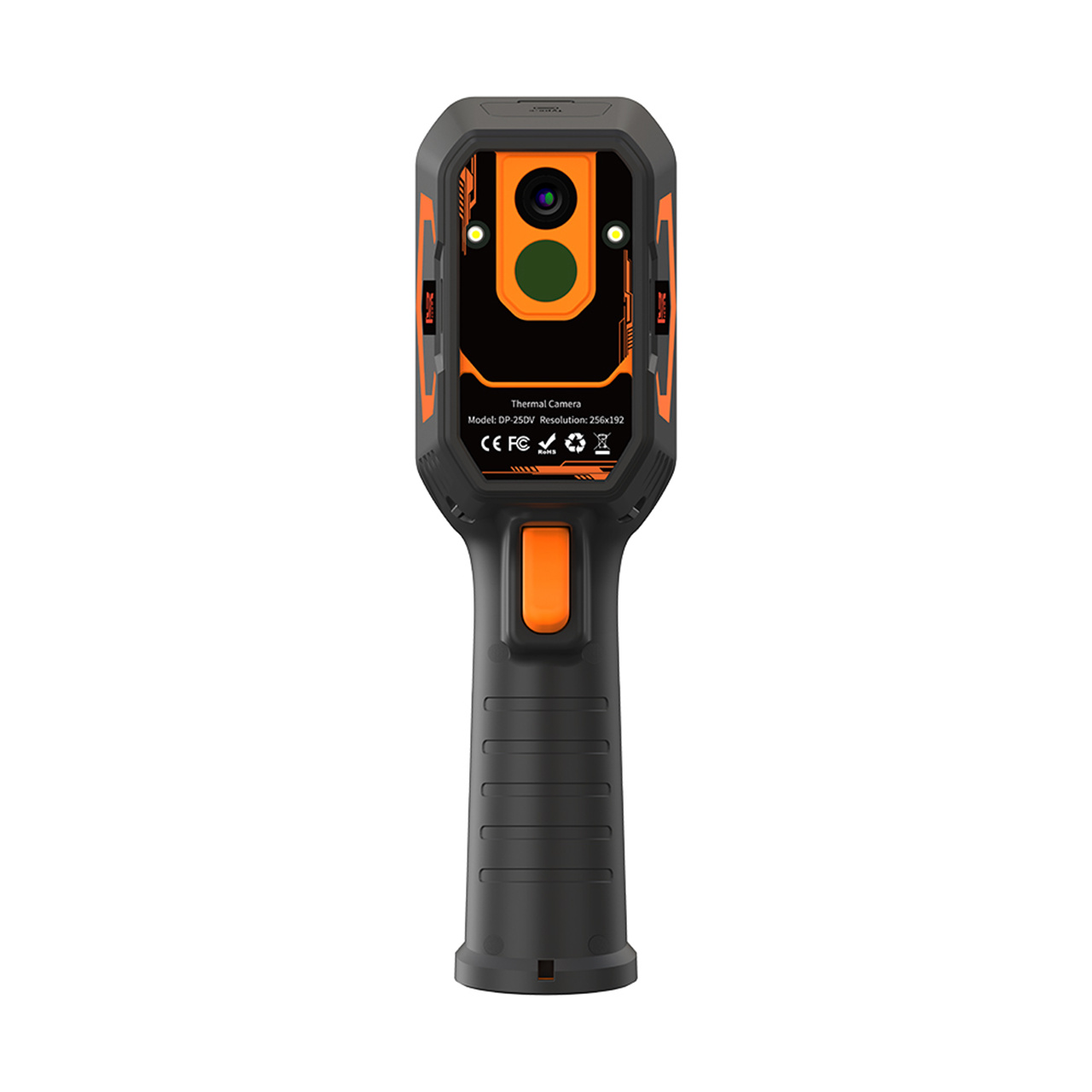
From micro-component laboratory analytics in petroleum refineries to rugged handheld field inspections in 50°C+ ambient temperatures, discover our premier infrared imaging instruments certified for high reliability.
As Iraq revitalizes its national energy grids, expands downstream petrochemical complexes, and strengthens public infrastructure, thermal imaging technology has transformed from a luxury auditing tool into a non-negotiable operational necessity.
Operating industrial equipment in the Republic of Iraq demands resilience unlike almost any other territory worldwide. During summer months across the Mesopotamian plains and southern provinces such as Basra, ambient atmospheric temperatures routinely climb past 50°C (122°F), accompanied by fierce sandstorms (shamal) and airborne particulate contamination. In this punishing operating theater, mechanical bearings, high-voltage transformers, switchgears, and transmission lines operate dangerously close to their thermal failure ceilings.
Unplanned power interruptions and industrial shutdowns carry monumental financial and humanitarian costs. Non-destructive thermographic cameras provide Iraq's engineering teams with real-time temperature telemetry, enabling predictive maintenance schedules well before insulation fails or busbars combust. By transforming invisible heat radiation into actionable radiometric visual data, technicians identify localized micro-resistances and hotspots without halting operations.
The Ministry of Oil (MoO) and Ministry of Electricity (MoE), alongside international supermajors working across the Rumaila, West Qurna, Zubair, and Kirkuk oil basins, have instituted mandatory predictive maintenance standards. High-resolution infrared cameras are now staple instruments for fugitive emissions detection, natural gas flaring audits, valve leak tracing, and storage tank level monitoring.
Simultaneously, the commercial real estate boom in Baghdad, combined with rapid modernization in Sulaymaniyah and Erbil, has triggered unprecedented interest in building envelope diagnostics. Thermography pinpoints massive thermal bridge anomalies, HVAC ductwork leakages, and inadequate insulation—empowering builders to reduce structural energy consumption in arid climates where cooling systems place immense burdens on local power generators.
Engineering customized optical solutions for the specific infrastructural, environmental, and defense requirements of Iraqi institutions and enterprises.
Crude oil extraction fields and refineries in Basra and Baiji rely on radiometric thermal imagers to evaluate piping corrosion under insulation (CUI), check refinery cracking furnace refractory linings, trace pipeline blockage points, and monitor flare stack pilot flames under zero-visibility conditions.
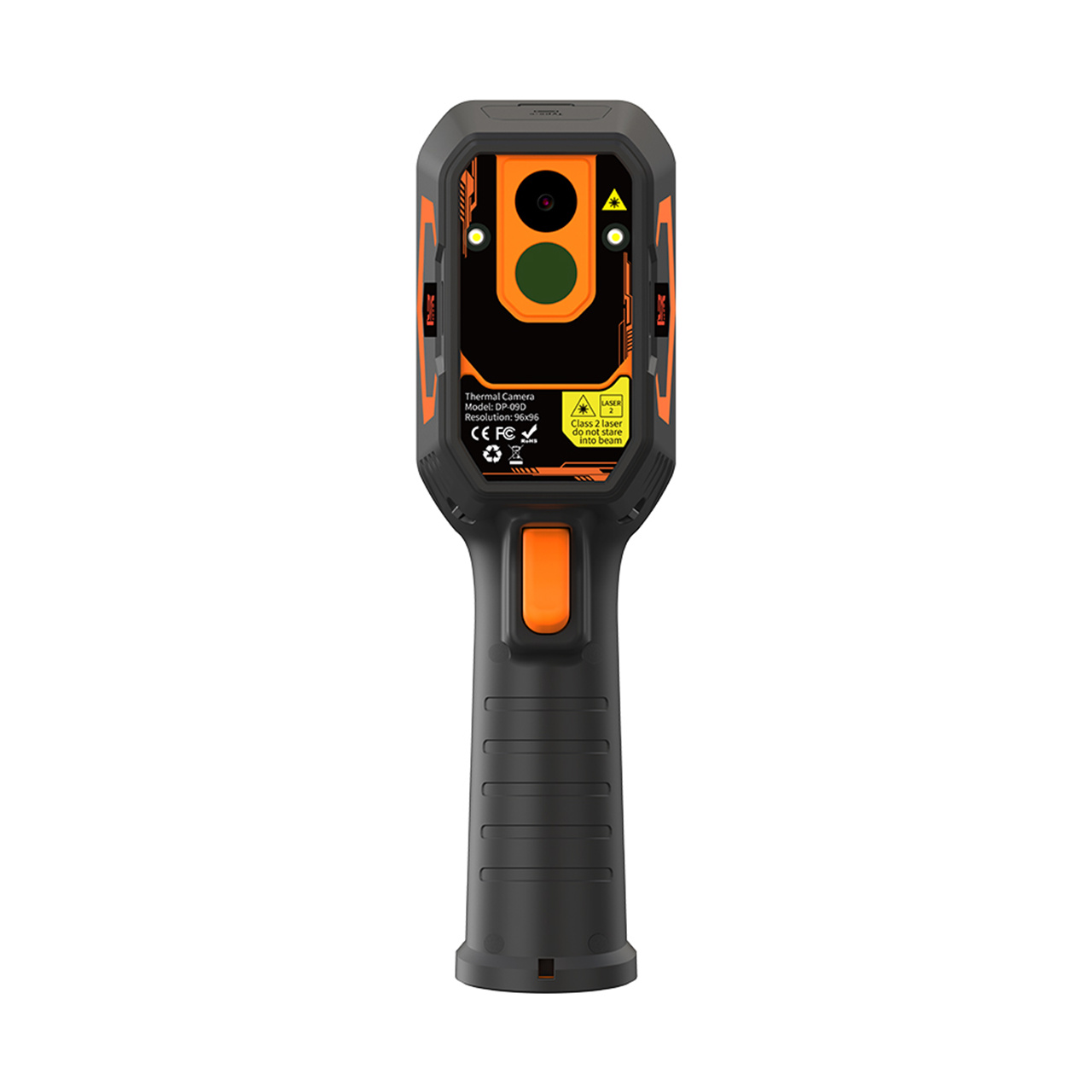
Thermal overload on transformer bushings, circuit breakers, and capacitor banks during extreme summer heat causes catastrophic electrical blackouts. Handheld infrared cameras allow Iraq's electrical utility crews to conduct long-distance thermographic scans safely without contacting live conductors.
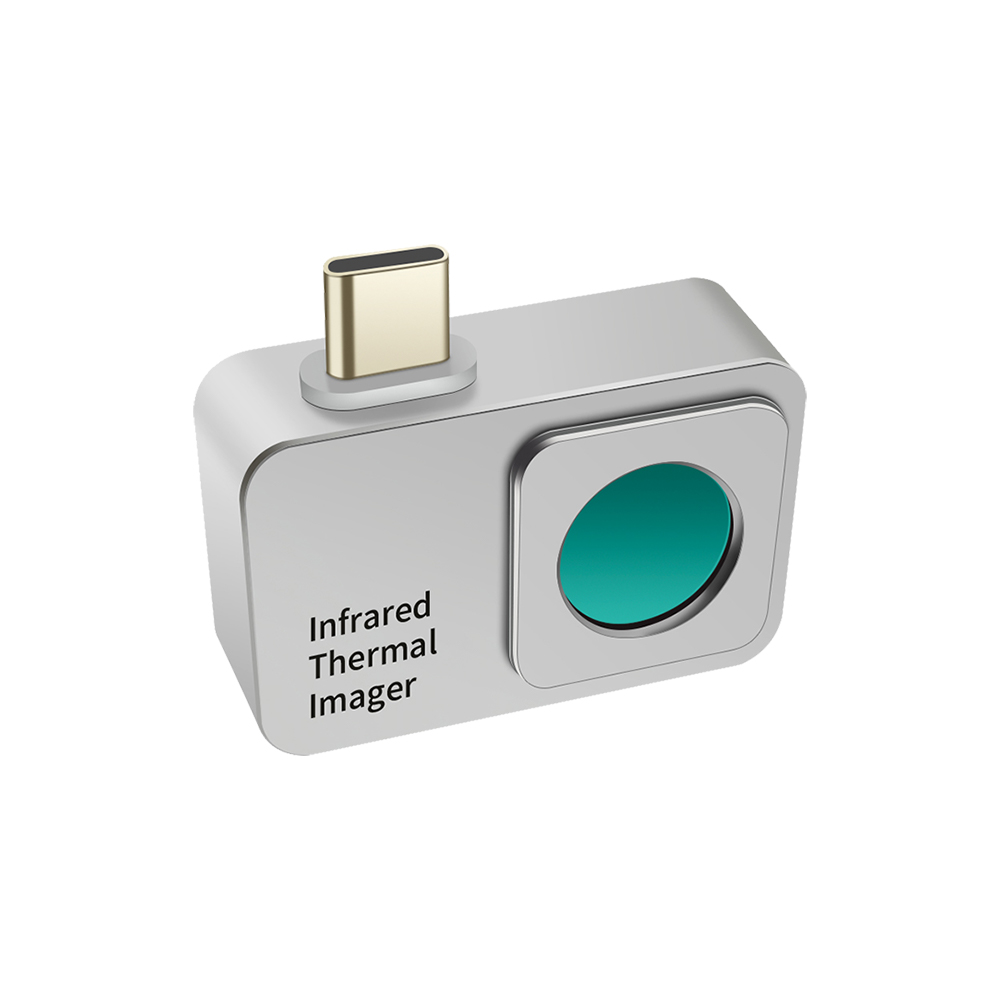
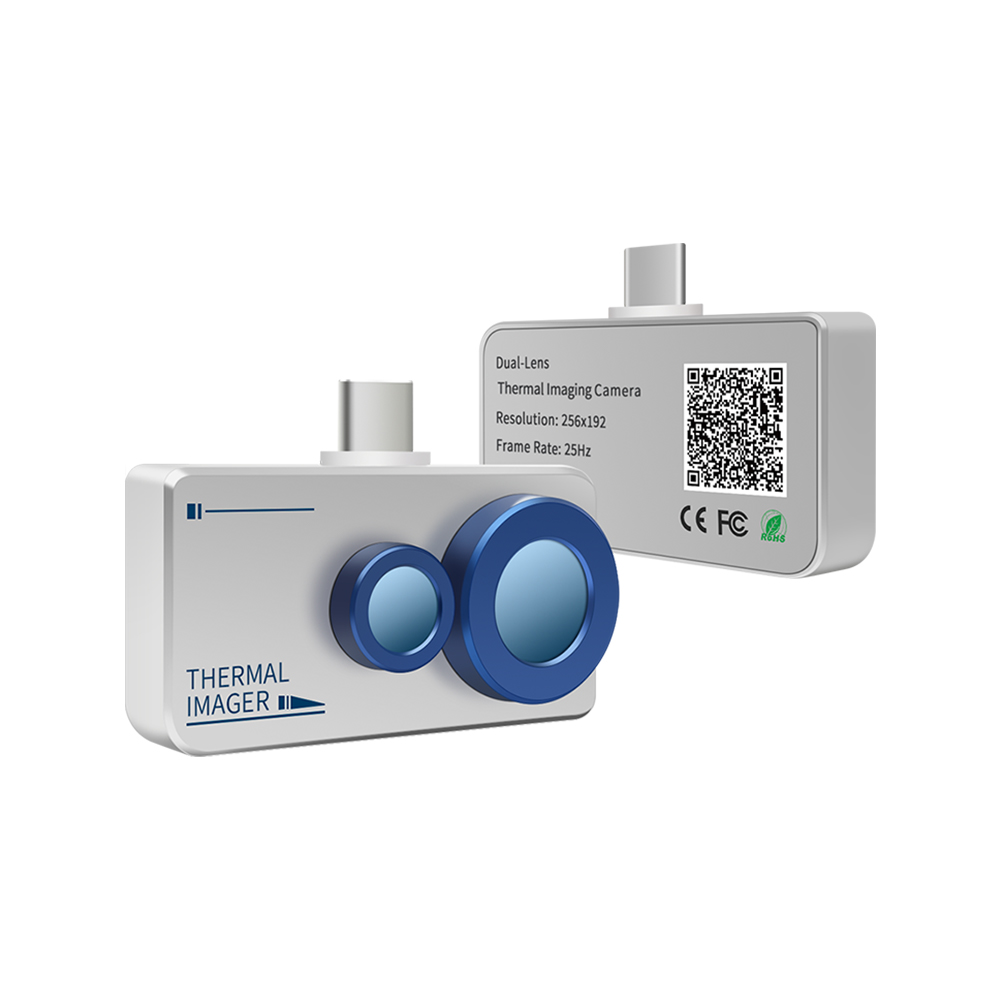
Commercial structures across Baghdad and Erbil expend massive energy on air conditioning. Smartphone thermal attachments and portable analyzers identify thermal bridging, defective glazing insulation, air infiltration, and hidden water leakage inside ceiling slabs and moisture-prone building walls.
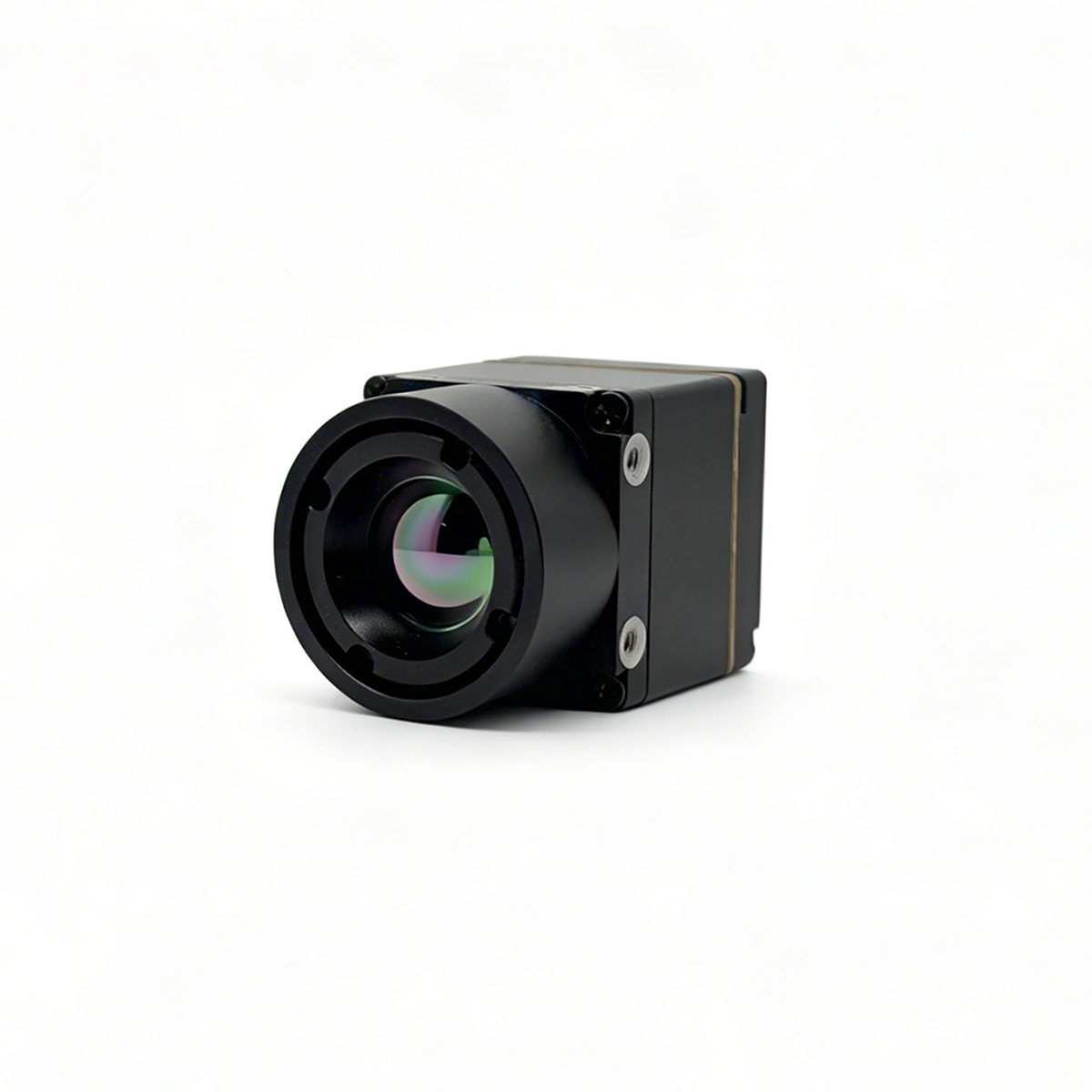
Thermal core modules embedded in fixed towers, autonomous patrol robots, and aerial drones provide 24/7 day-and-night visual clarity through desert dust storms, heavy smoke, and pitch-black nocturnal conditions—safeguarding airports, sovereign borders, and critical energy corridors.
Shenzhen Dianyang Technology Co., Ltd. is a subsidiary of VHD (Shenzhen VHD Technology Co., Ltd.), a publicly listed company on the Shenzhen Stock Exchange. This strategic affiliation gives Dianyang unique access to VHD’s advanced R&D platforms, high-precision manufacturing systems, and rigorous quality management practices—enabling us to deliver thermal imaging products of higher reliability and consistency than typical ODMs.
We specialize in ODM/OEM services for infrared thermal imaging solutions, including handheld thermal imagers, smartphone-connected thermal cameras, thermal analyzers, and thermal imaging telescopes. Our products serve global customers in power inspection, building diagnostics, firefighting, industrial maintenance, and outdoor applications.
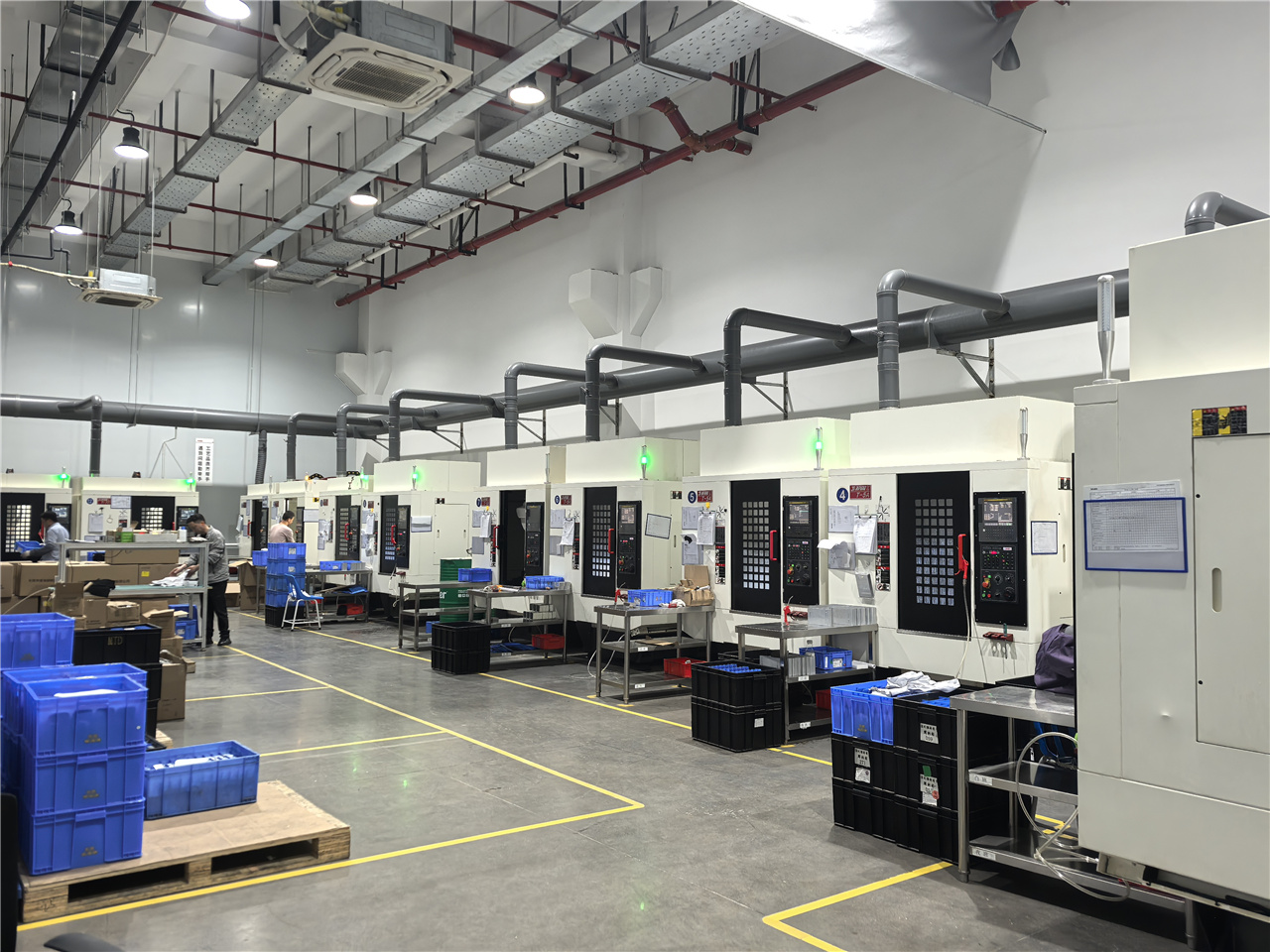
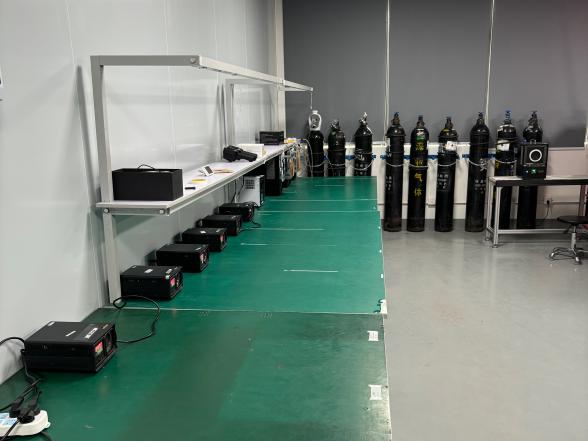
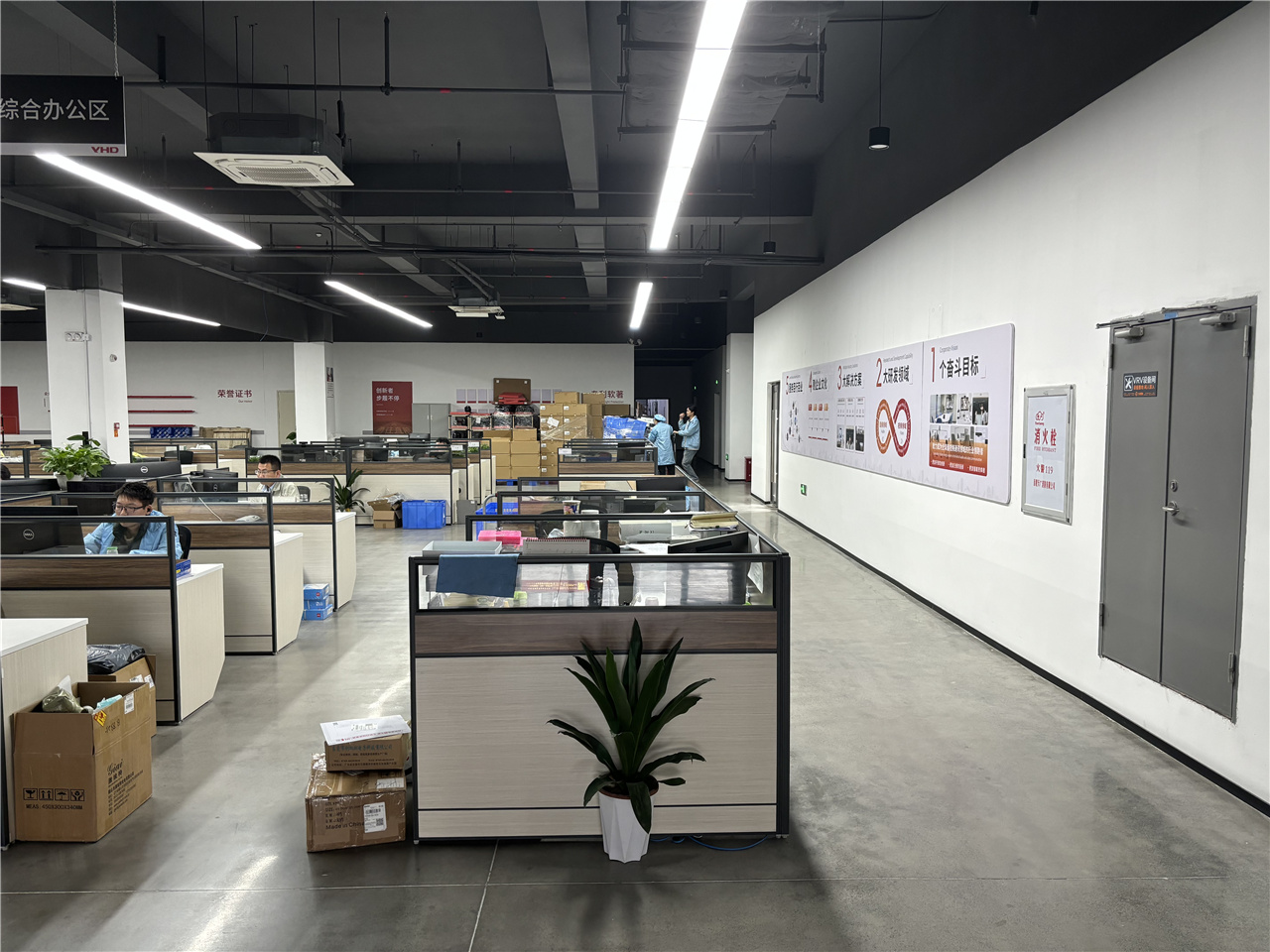
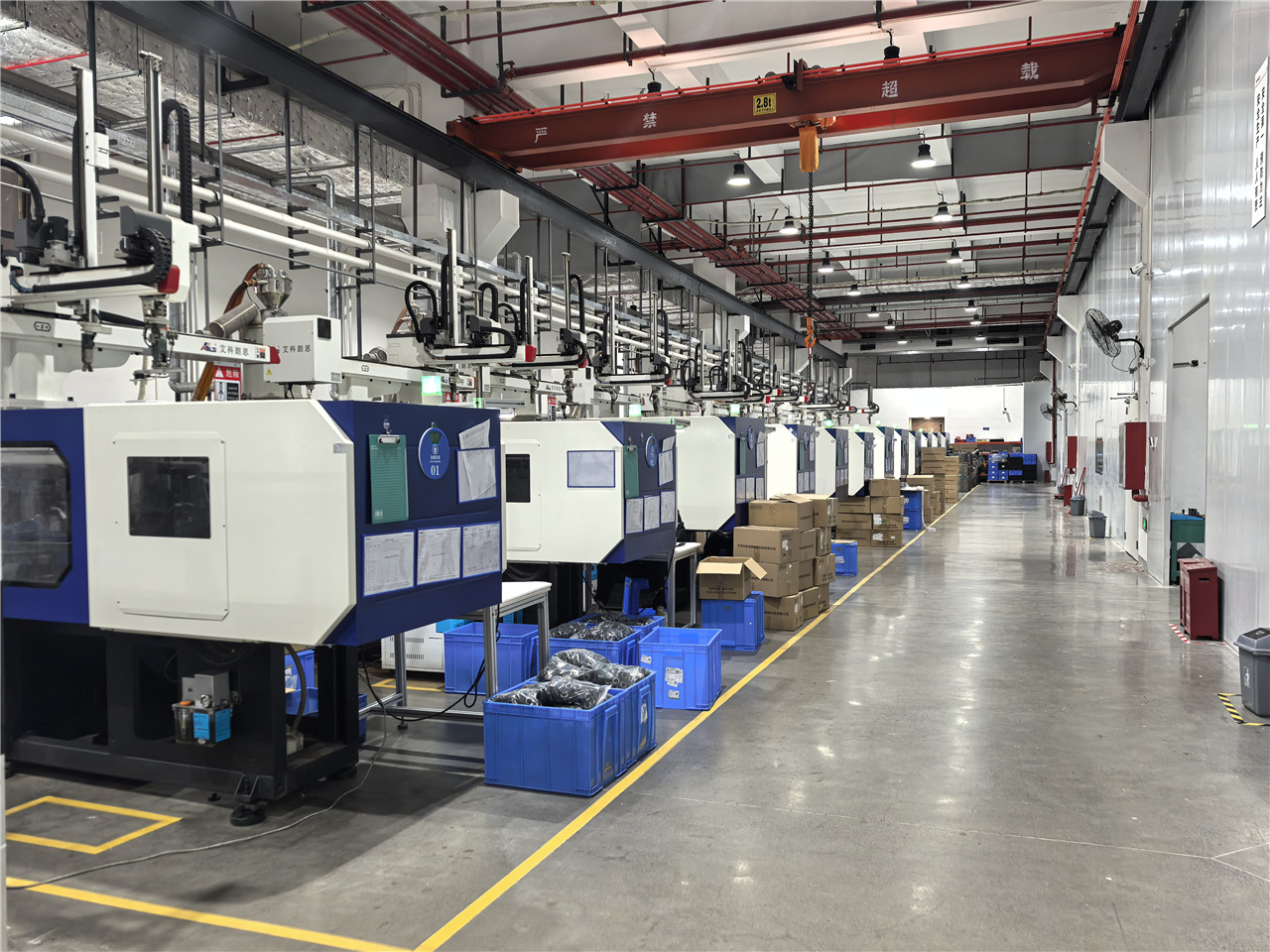
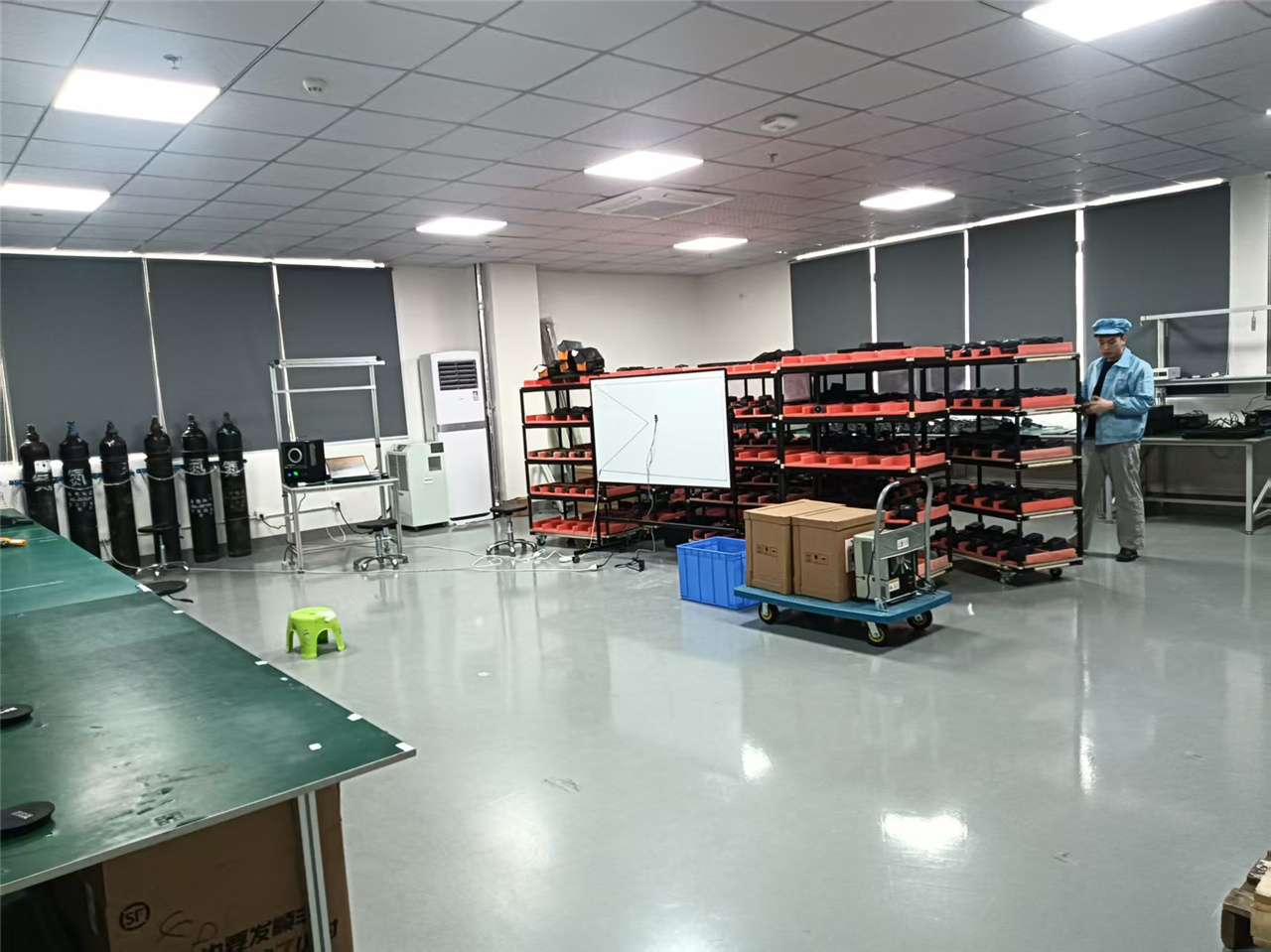
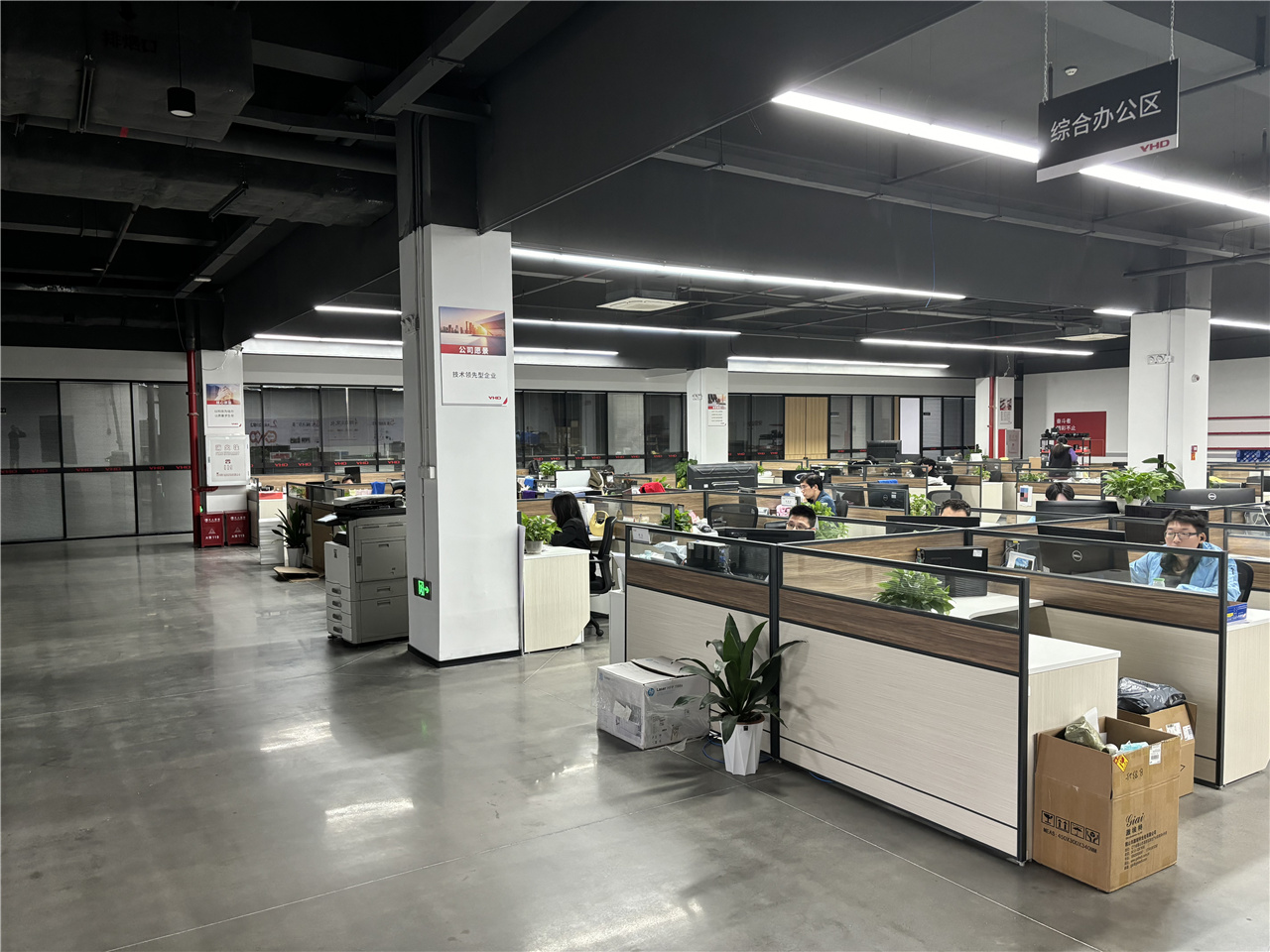
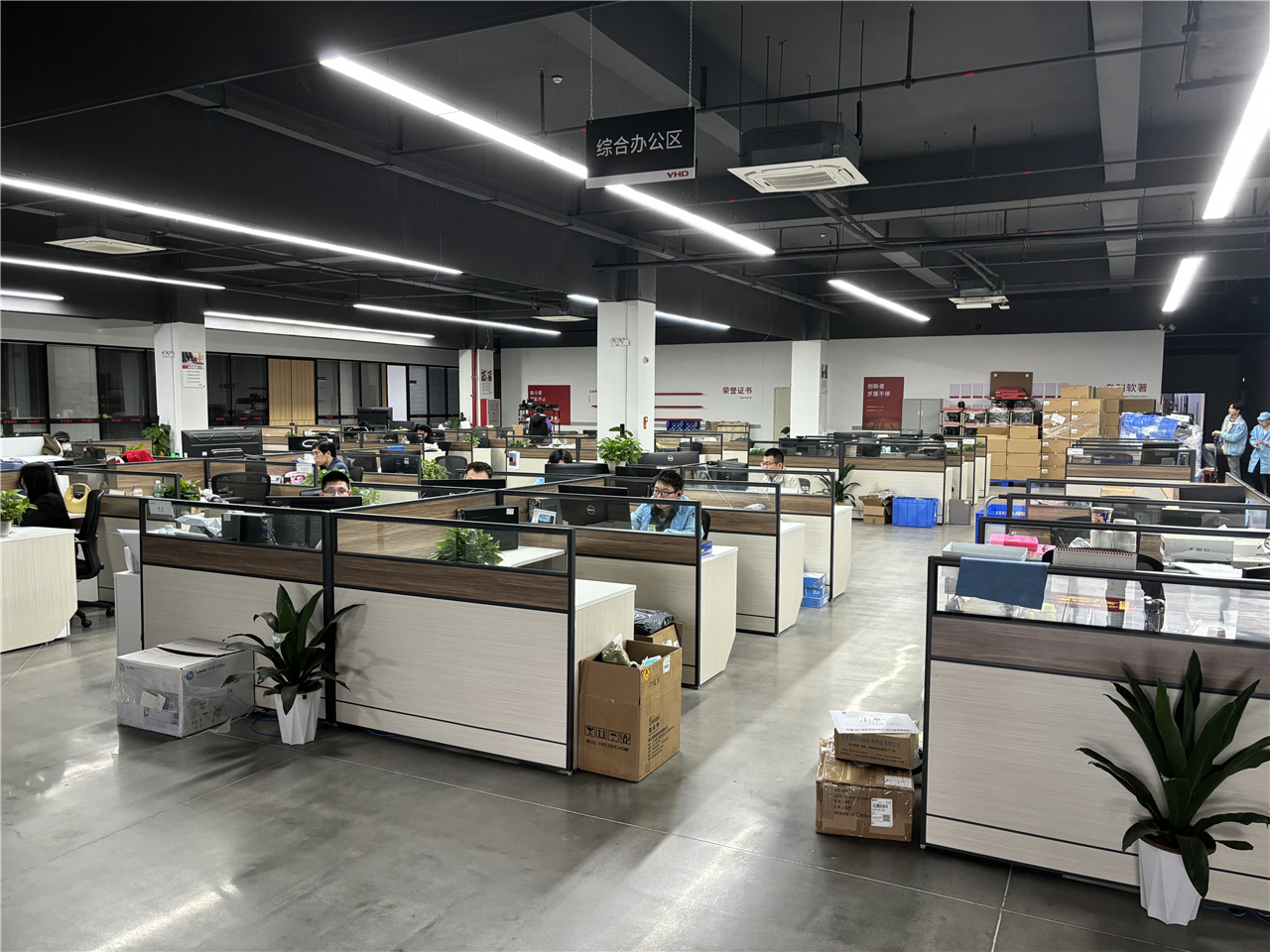
Our structured NPI process typically delivers certified prototypes within 8–12 weeks. Combined with stable supply chain support and group-level technical resources, we ensure on-time delivery and long-term product reliability.
By combining focused thermal imaging expertise with the backing of a listed parent company, Dianyang offers a rare blend of agility, quality, and scalability—helping global partners bring high-performance, certified thermal products to market with confidence.
Navigating technical parameters, sensor sensitivity, and environmental survivability standards when procuring infrared equipment in Iraq.
Noise Equivalent Temperature Difference determines the camera's ability to distinguish subtle thermal variations. In desert conditions where surface temperatures are elevated, a low NETD (≤40mK or ≤50mK) is crucial to uncover faint heat anomalies in buried pipelines and sealed transformer tanks.
Desert particulate infiltration and sudden precipitation in Iraqi winters ruin sensitive optics. Professional thermal cameras deployed in Iraq must boast robust ingress ratings, sealed germanium lenses, and drop-tested elastomer enclosures to endure demanding daily field abuse.
Industrial applications such as refinery flaring monitoring, molten metal handling, boiler inspection, and heavy mechanical gearboxes require expansive calibration spans, allowing continuous measurements from -20°C up to +550°C without sensor saturation.
Iraqi state compliance and ISO maintenance audits require clear reporting. Our software suite provides batch emissivity adjustments, multi-spot temperature tracking, isothermal analysis, and instant PDF audit generation in English and customized formats.
Explore our complete lineup of handheld diagnostic cameras, benchtop analyzers, smartphone thermal adapters, and core OEM sensor modules.
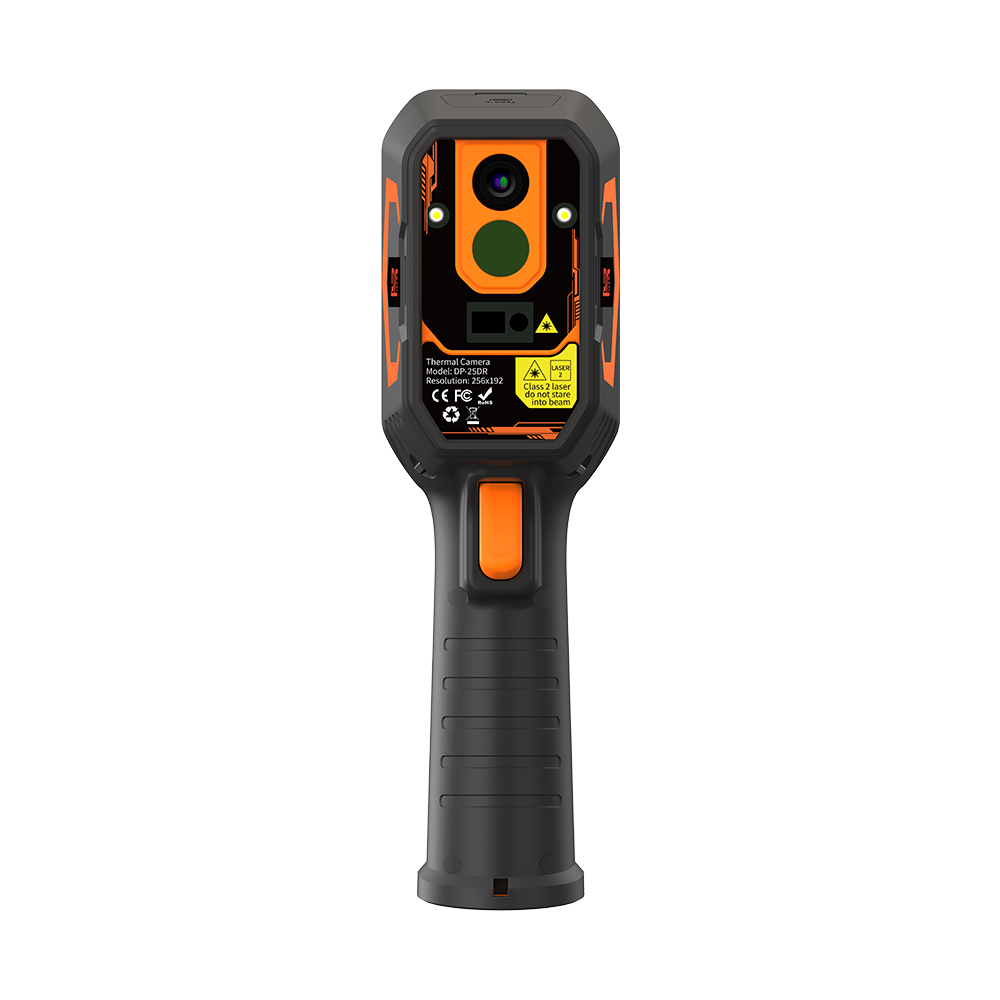

How the convergence of AI machine vision, unmanned aerial systems, and cloud analytics is revolutionizing Iraqi industrial operations.
With thousands of kilometers of crude oil pipelines spanning desolate desert stretches between Kirkuk, Ceyhan, and the Persian Gulf, manual foot or vehicle patrol is logistically dangerous and time-intensive. Iraqi energy enterprises are rapidly transitioning to autonomous UAVs fitted with lightweight core thermal modules such as our MD-64CA.
Equipped with onboard AI recognition algorithms, these systems detect minute thermal variances caused by crude leakage, structural insulation degradation, or soil erosion around buried pipelines. Automated geolocation tags allow maintenance crews to be dispatched immediately to exact GPS coordinates, saving millions in potential oil spills and environmental remediation costs.
Traditional thermography relies on human visual interpretation of false-color heat palettes. In complex electrical switchyards across Baghdad, subtle temperature rises can be dismissed by novice operators. Modern software integrates machine learning models trained on millions of thermographic fault profiles.
These algorithms automatically filter out harmless ambient solar reflections while flagging genuine harmonic overloads and high-resistance terminal lugs. As Iraq continues to digitize its industrial operations under nationwide modernization initiatives, Dianyang delivers cutting-edge hardware and firmware customization to lead this technological evolution.
Whether you are an industrial distributor in Basra, a defense contractor in Baghdad, or an engineering firm in Erbil, our team provides custom branding, software localization, and rapid prototype manufacturing.
Request Product Quotation & Partnership Details