
Leave Your Message
Brazil, as Latin America's largest economy and industrial powerhouse, presents a dynamic and rapidly expanding market for thermal sensor modules and infrared thermal imaging technology. The country's diverse industrial sectors, extensive infrastructure development, and growing emphasis on safety and efficiency have created substantial demand for advanced thermal sensing solutions.
Brazil's manufacturing sector, which contributes significantly to the national GDP, has increasingly adopted thermal sensor modules for predictive maintenance and quality control. From the automotive plants in São Paulo to the petrochemical facilities in Rio de Janeiro, thermal imaging technology plays a crucial role in preventing equipment failures, reducing downtime, and optimizing production processes. The country's mining industry, particularly in Minas Gerais and Pará states, utilizes thermal sensors for monitoring equipment temperature, detecting hotspots in electrical systems, and ensuring worker safety in challenging environments.
Brazil's energy landscape is undergoing significant transformation, with thermal sensor modules becoming indispensable tools across multiple segments. The country's extensive power generation infrastructure, including hydroelectric plants, wind farms, and solar installations, requires continuous monitoring to ensure optimal performance. Thermal imaging cameras are extensively used for inspecting electrical substations, transmission lines, and distribution networks across Brazil's vast territory. The oil and gas sector, centered around Petrobras operations in offshore platforms and onshore facilities, employs thermal sensors for pipeline integrity monitoring, flare stack inspection, and process equipment surveillance.
Brazil's position as a global agricultural leader has driven the adoption of precision farming technologies, including thermal sensor modules. Farmers in the cerrado regions and throughout the country use thermal imaging for crop health monitoring, irrigation management, and early detection of plant diseases. Livestock operations employ thermal cameras for animal health surveillance and breeding management.
The Brazilian construction industry increasingly relies on thermal imaging for building inspections, detecting moisture infiltration, identifying thermal bridges, and ensuring energy efficiency compliance. Major urban development projects in cities like São Paulo, Rio de Janeiro, and Brasília incorporate thermal sensor technology for quality assurance and building performance optimization.
Brazilian security forces and firefighting departments have expanded their use of thermal imaging technology for surveillance, search and rescue operations, and emergency response. The technology proves particularly valuable in monitoring Brazil's extensive border regions and protecting critical infrastructure facilities.
Several factors are propelling the thermal sensor module market growth in Brazil. The government's Industry 4.0 initiatives encourage manufacturing facilities to adopt smart monitoring technologies, including thermal imaging systems. Environmental regulations requiring emissions monitoring and energy efficiency improvements drive demand for thermal sensors in industrial applications. The expansion of renewable energy projects, particularly solar and wind installations, creates new opportunities for thermal monitoring solutions.
The Brazilian market is witnessing a trend toward more affordable, user-friendly thermal imaging devices. Smartphone-connected thermal cameras have gained popularity among small and medium-sized enterprises, building inspectors, and maintenance professionals. This democratization of thermal imaging technology has expanded the market beyond traditional industrial users to include HVAC technicians, electricians, and home inspectors throughout Brazil.
The Brazilian thermal sensor market is experiencing rapid technological evolution. Advanced features such as higher resolution sensors, improved temperature accuracy, and extended detection ranges are becoming standard. Integration with artificial intelligence and machine learning algorithms enables automated defect detection and predictive analytics, particularly valuable for large-scale industrial operations common in Brazil. Cloud connectivity and IoT integration allow remote monitoring capabilities, essential for managing distributed facilities across Brazil's vast geography.
There is growing emphasis on localized production and technical support within Brazil. International suppliers are establishing partnerships with Brazilian distributors and service centers to provide faster response times and better customer support. This trend aligns with Brazil's industrial policy objectives of developing domestic technological capabilities while ensuring competitive pricing through local assembly and customization.
The Brazilian market increasingly demands products certified to local standards and regulations. Thermal sensor suppliers must navigate INMETRO requirements, electrical safety standards, and industry-specific certifications. Successful market entry requires understanding Brazilian import regulations, tax structures, and certification processes.
Brazil's diverse climate zones, from the Amazon rainforest to the semi-arid northeast, require thermal sensors capable of operating reliably in high humidity, extreme temperatures, and challenging environmental conditions. Manufacturers are developing ruggedized solutions specifically designed for Brazilian operational environments.
Growing recognition of the importance of proper thermal imaging training has led to increased demand for educational programs and certification courses. Brazilian technical institutions and industry associations are partnering with thermal imaging suppliers to develop localized training content in Portuguese.
Brazilian companies are increasingly prioritizing sustainable operations, driving demand for thermal sensors that help optimize energy consumption, reduce waste, and improve overall environmental performance. This aligns with global ESG trends and Brazil's commitments to climate action.
The São Paulo metropolitan region, Brazil's industrial heartland, hosts thousands of manufacturing facilities that rely on thermal sensor technology. Automotive assembly plants use thermal imaging for quality control in welding processes, paint curing verification, and electrical system testing. Electronics manufacturers employ thermal cameras for PCB inspection and component testing. The region's extensive logistics infrastructure utilizes thermal sensors for cold chain monitoring and warehouse fire prevention systems.
Brazil's electrical utilities face the challenge of maintaining reliable power distribution across vast distances and diverse terrain. Thermal sensor modules have become essential tools for transmission line inspection, substation monitoring, and transformer surveillance. Utilities conduct regular thermographic surveys using handheld cameras and drone-mounted thermal sensors to identify potential failures before they cause outages. This proactive approach significantly reduces maintenance costs and improves grid reliability in both urban centers and remote areas.
Brazil's mining sector, concentrated in states like Minas Gerais and Pará, represents one of the largest users of industrial thermal imaging technology. Iron ore, gold, and bauxite mining operations employ thermal sensors for monitoring conveyor systems, crushing equipment, and processing machinery. Thermal cameras detect bearing failures, belt misalignment, and motor overheating before catastrophic failures occur. Safety applications include monitoring personnel in hazardous areas and detecting hotspots in stockpiles that could indicate spontaneous combustion risks.
Brazil's pre-salt oil reserves have positioned the country as a major offshore oil producer. Thermal sensor modules play critical roles in platform safety and operational efficiency. Regular thermal inspections of process equipment, flare systems, and electrical installations help prevent accidents and optimize production. The harsh marine environment requires specialized thermal imaging equipment with appropriate ingress protection ratings and corrosion-resistant housings.
Brazil's leadership in sugarcane processing and ethanol production creates unique applications for thermal sensors. Mills use thermal imaging to monitor boiler efficiency, detect hotspots in bagasse storage areas, and optimize fermentation processes. Preventive maintenance programs incorporate thermal surveys of processing equipment to minimize downtime during harvest season.
The growth of cloud computing and digital services in Brazil has led to expansion of data center facilities in major cities. Thermal imaging is essential for monitoring cooling system performance, identifying hot spots in server racks, and ensuring optimal environmental conditions for IT equipment.
Brazil's extensive road network and growing metro systems utilize thermal sensors for infrastructure inspection. Thermal imaging detects pavement defects, bridge structural issues, and rail system anomalies, supporting maintenance planning and safety improvements.
Brazil's commitment to environmental protection, particularly in the Amazon region, has created applications for thermal sensors in wildlife monitoring, deforestation detection, and illegal activity surveillance. Research institutions and environmental agencies use thermal imaging cameras for ecological studies and conservation efforts. Forest fire detection systems incorporating thermal sensors help protect Brazil's valuable natural resources.
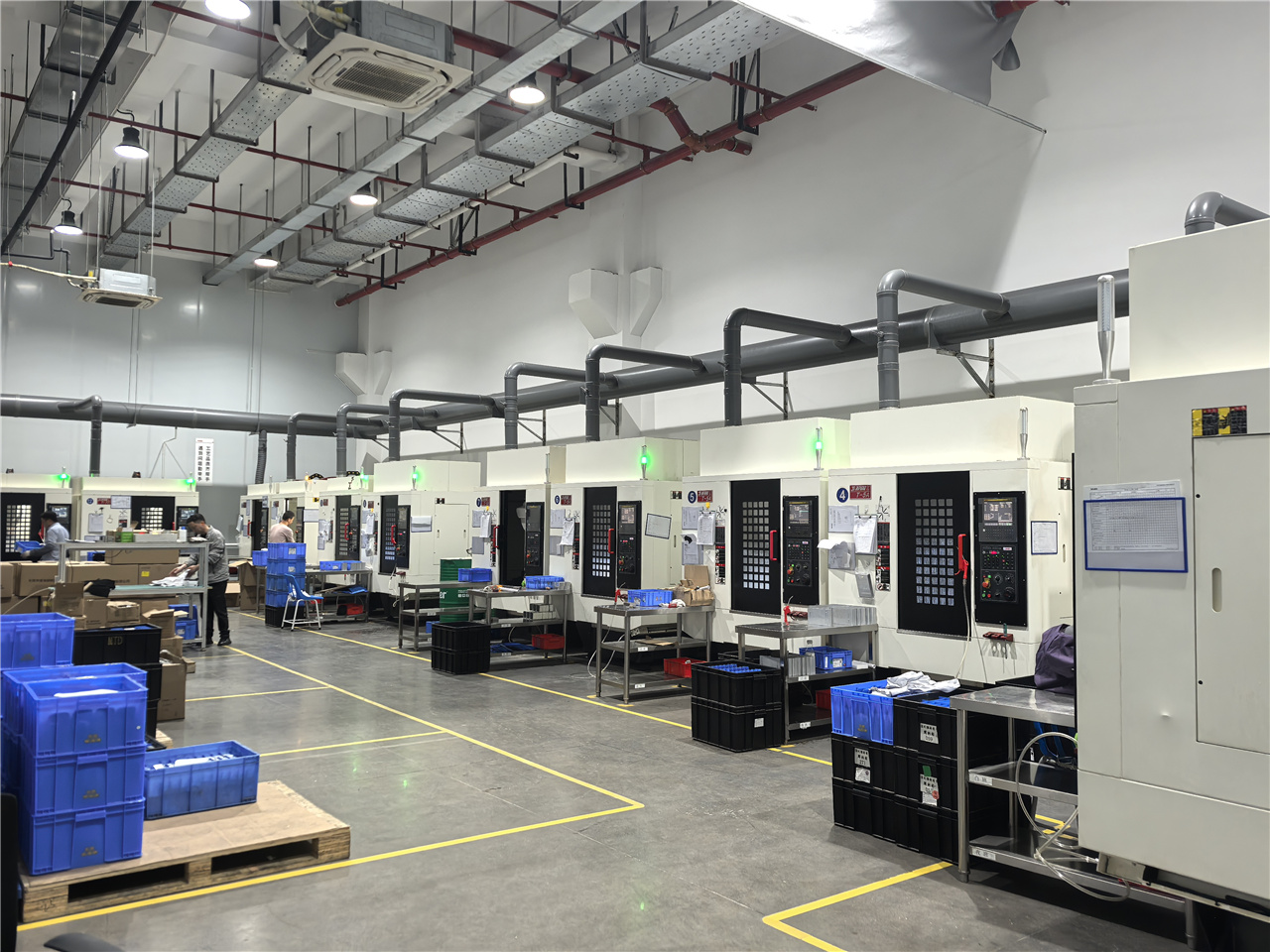
Shenzhen Dianyang Technology Co., Ltd. is a subsidiary of VHD (Shenzhen VHD Technology Co., Ltd.), a publicly listed company on the Shenzhen Stock Exchange. This strategic affiliation gives Dianyang unique access to VHD's advanced R&D platforms, high-precision manufacturing systems, and rigorous quality management practices—enabling us to deliver thermal imaging products of higher reliability and consistency than typical ODMs.
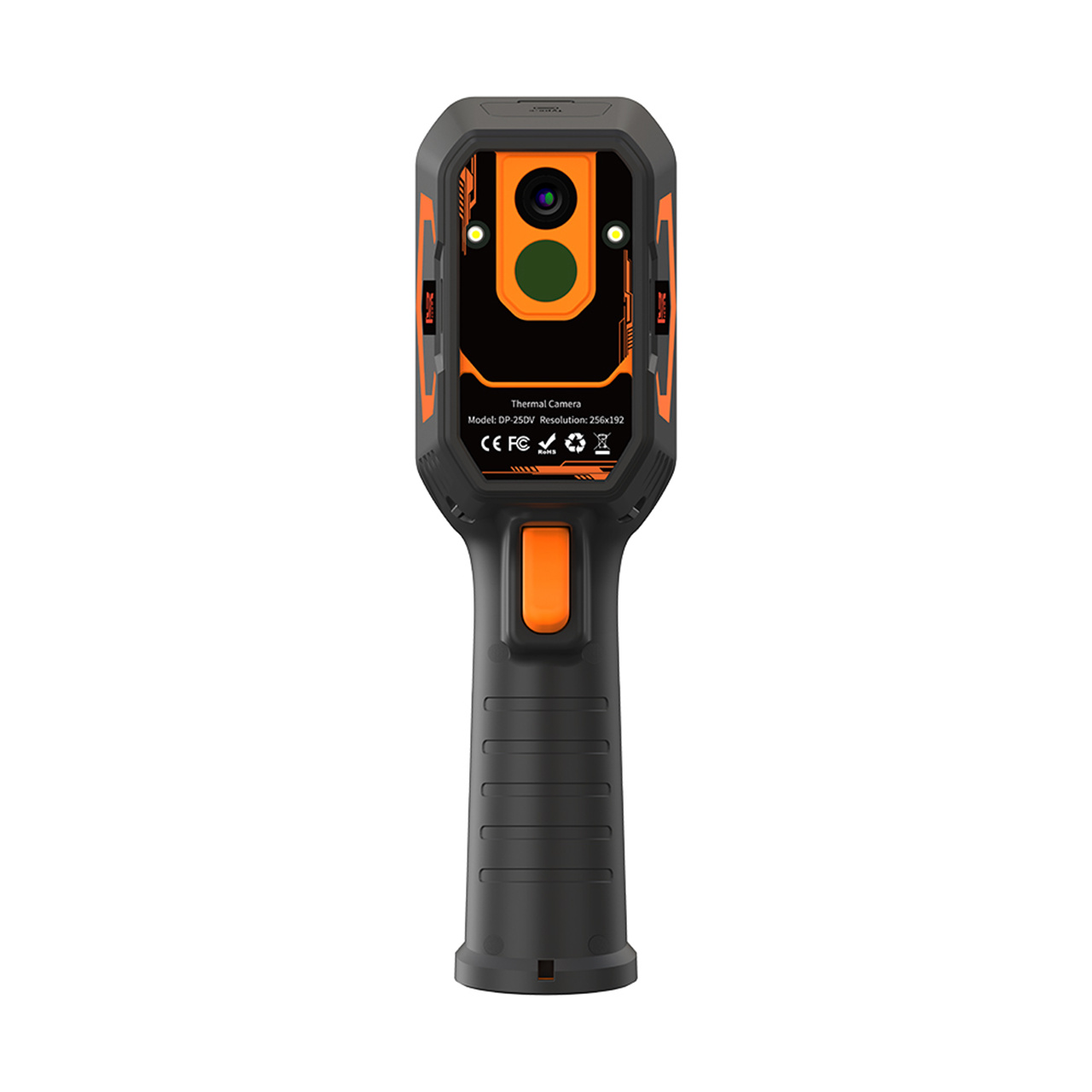
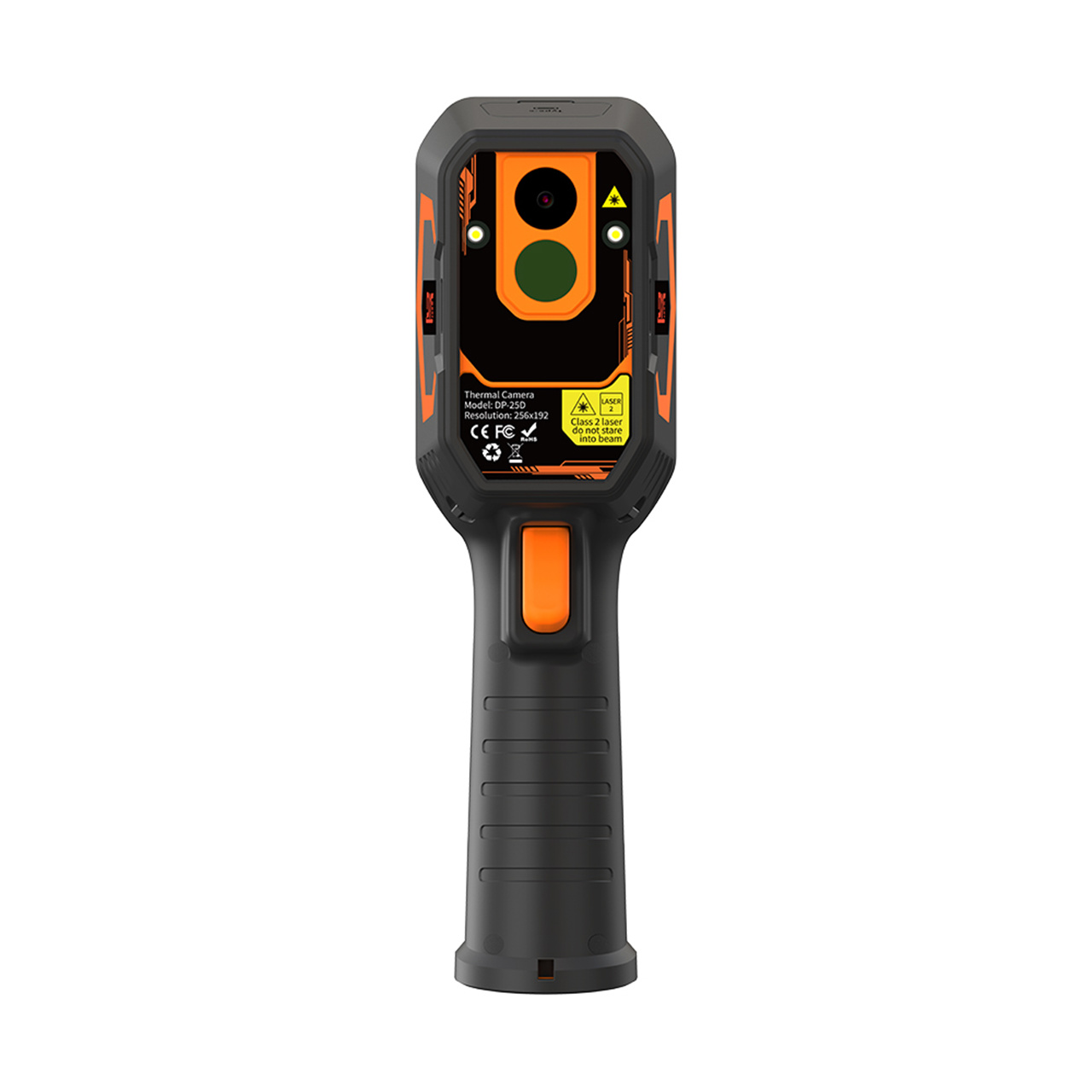
We specialize in ODM/OEM services for infrared thermal imaging solutions, including handheld thermal imagers, smartphone-connected thermal cameras, thermal analyzers, and thermal imaging telescopes. Our products serve global customers in power inspection, building diagnostics, firefighting, industrial maintenance, and outdoor applications.
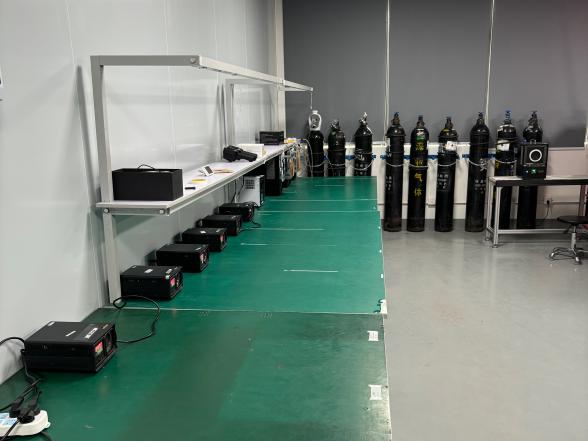
Our dedicated engineering team applies Design for Manufacturing (DFM), Design for Testability (DFT), thermal simulation, and EMC pre-compliance analysis to optimize performance and accelerate development. We also support clients in obtaining key certifications such as CE, FCC, RoHS, REACH, CB, UKCA, KC, and PSE.
Our structured NPI process typically delivers certified prototypes within 8–12 weeks. Combined with stable supply chain support and group-level technical resources, we ensure on-time delivery and long-term product reliability.
By combining focused thermal imaging expertise with the backing of a listed parent company, Dianyang offers a rare blend of agility, quality, and scalability—helping global partners bring high-performance, certified thermal products to market with confidence.
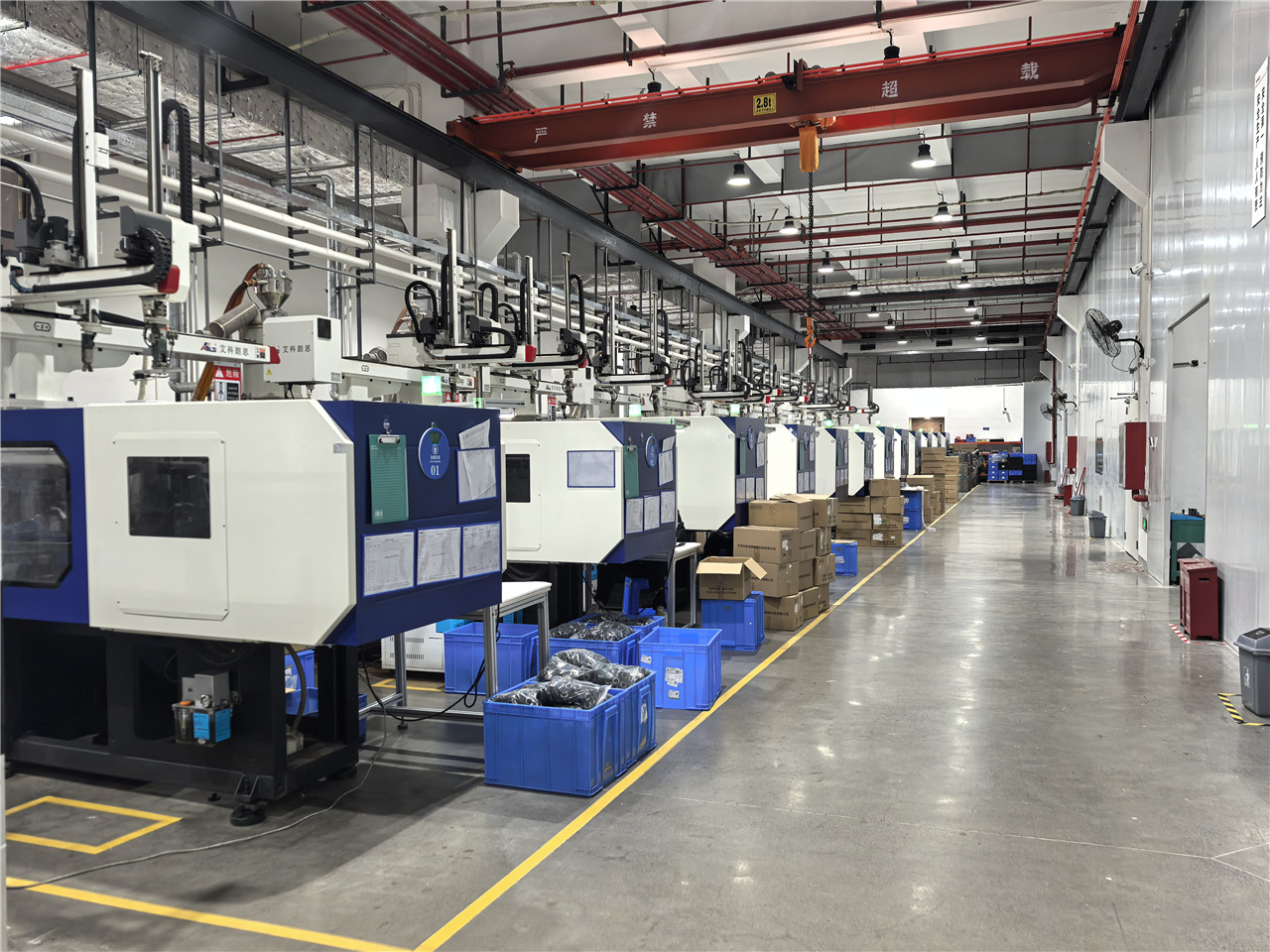
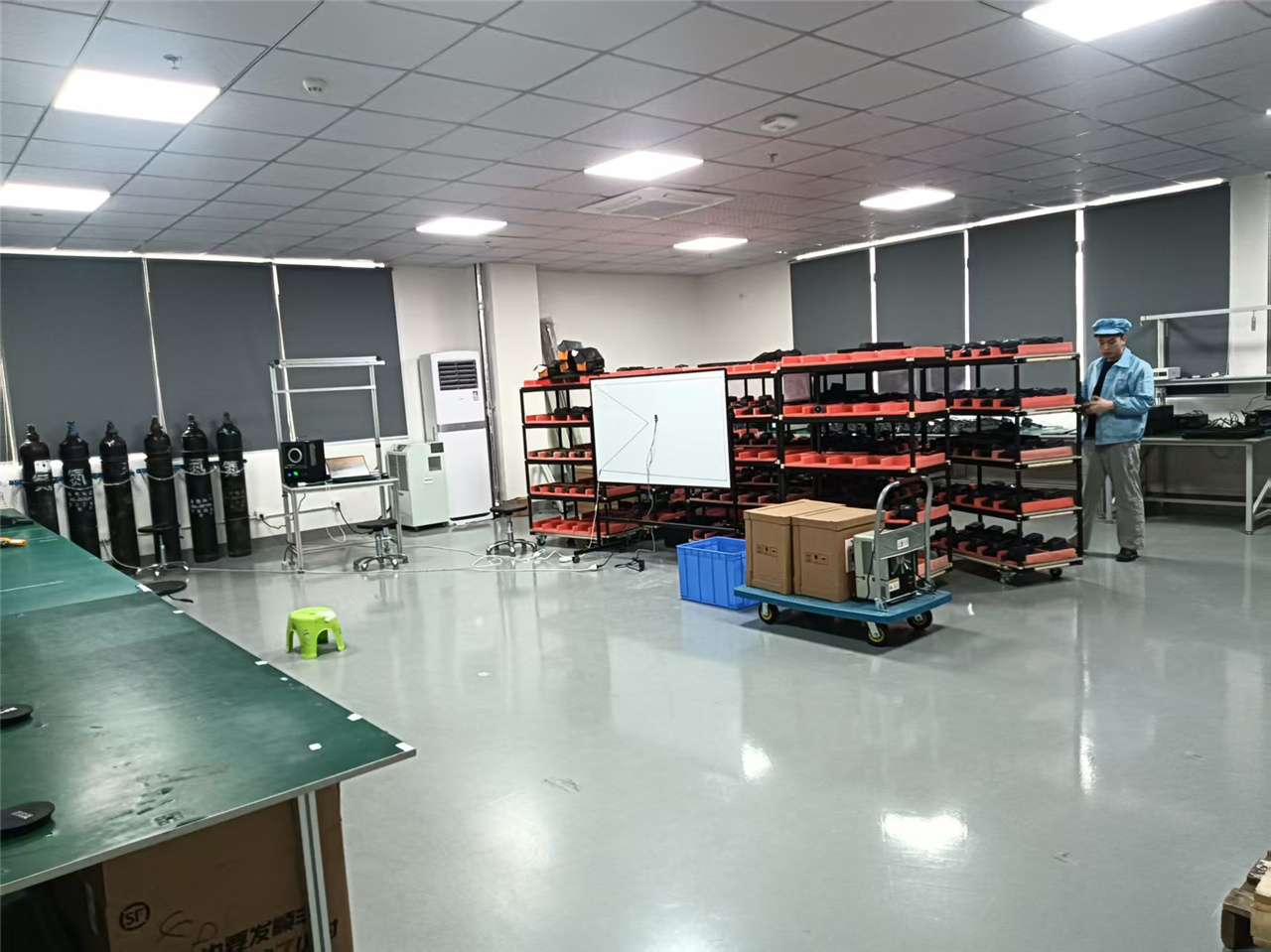
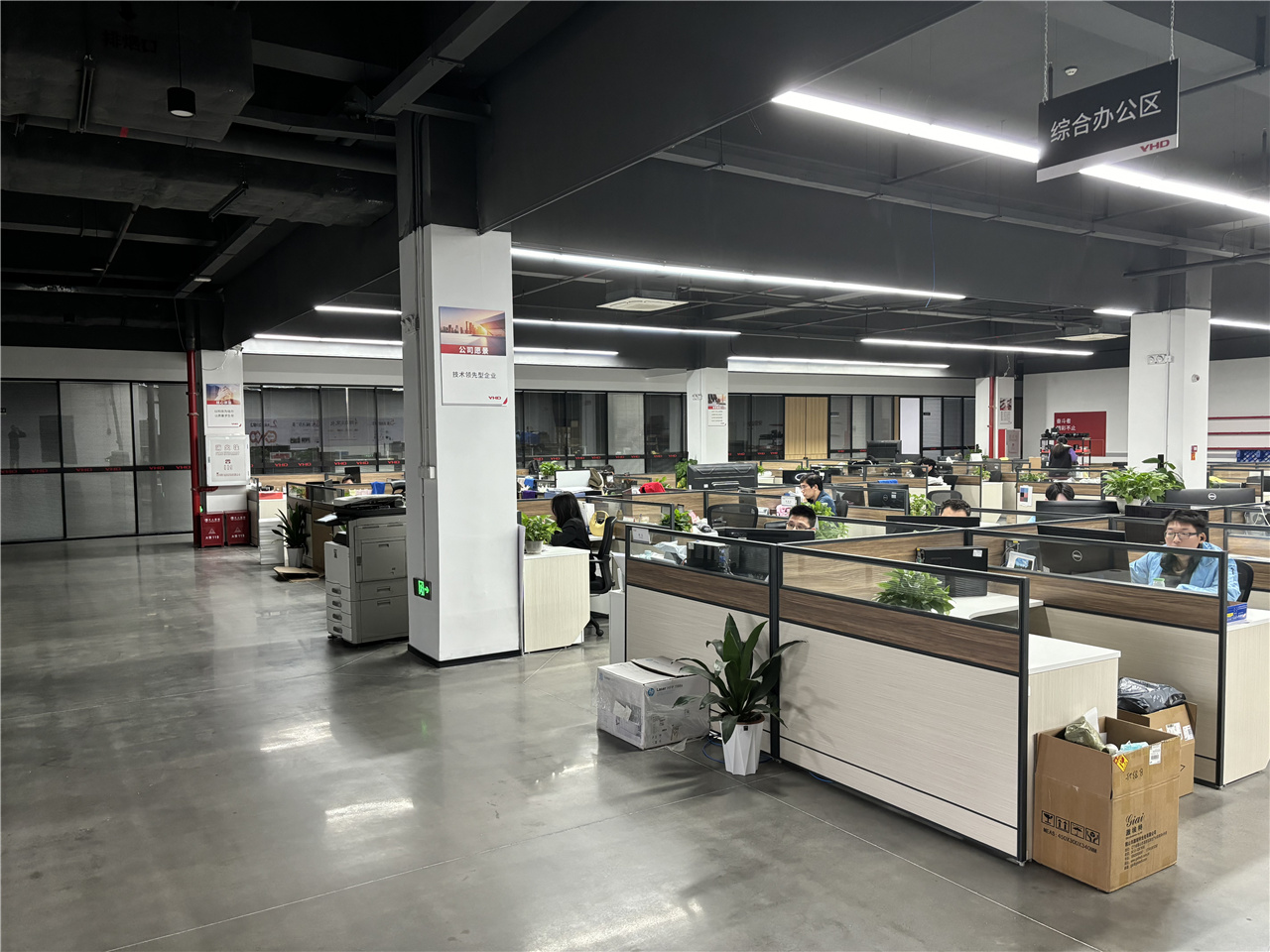
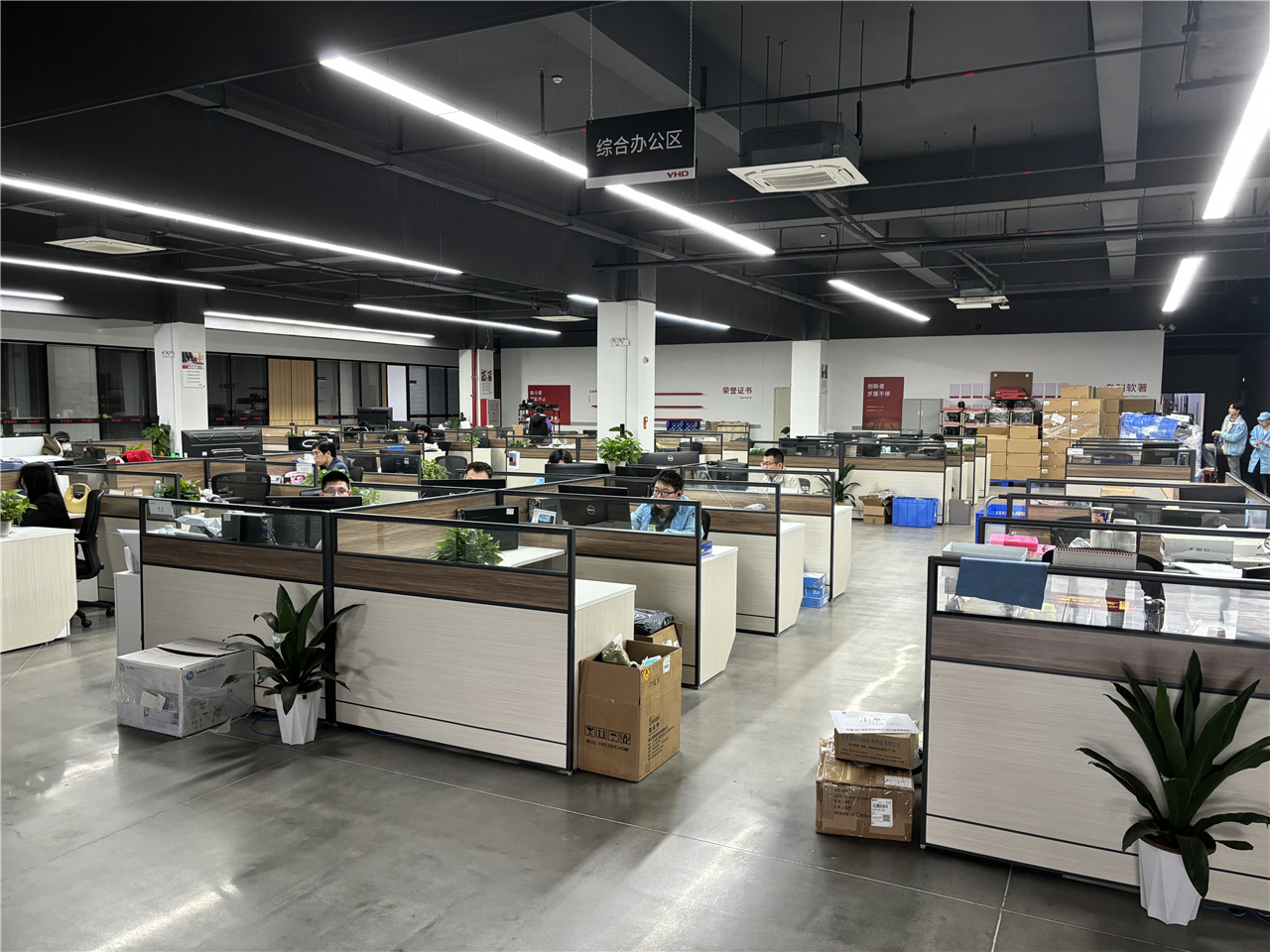
Our structured NPI process typically delivers certified prototypes within 8–12 weeks. Combined with stable supply chain support and group-level technical resources, we ensure on-time delivery and long-term product reliability.
By combining focused thermal imaging expertise with the backing of a listed parent company, Dianyang offers a rare blend of agility, quality, and scalability—helping global partners bring high-performance, certified thermal products to market with confidence.
Entering the Brazilian thermal sensor market requires a partner who understands both advanced technology and local market dynamics. Dianyang Technology brings several key advantages for serving Brazilian customers:
Our experience serving diverse international markets enables us to understand the specific requirements of Brazilian industries. We provide technical documentation in Portuguese, support local certification processes, and offer flexible customization to meet regional operational requirements. Our products are designed to perform reliably in Brazil's varied climatic conditions, from the humid Amazon to the dry interior regions.
Our efficient manufacturing processes and strategic supply chain management enable competitive pricing without compromising quality—crucial for the price-sensitive Brazilian market while maintaining the performance standards required by professional applications.
We provide comprehensive technical support including pre-sales consultation, application engineering assistance, and after-sales service. Our team works closely with Brazilian distributors and end users to ensure successful implementation and optimal performance.
Whether you need specific temperature ranges for industrial processes, specialized mounting solutions for Brazilian infrastructure, or custom software features for local applications, our ODM/OEM capabilities can deliver tailored solutions.
We actively seek partnerships with Brazilian distributors, system integrators, and OEM customers. Our flexible business models accommodate various partnership structures, from product distribution to joint development projects. We provide marketing support, technical training, and competitive terms to help our partners succeed in the Brazilian market.
For Brazilian companies looking to develop branded thermal imaging products, our OEM services offer complete solutions from concept to production. We handle product design, certification, manufacturing, and quality assurance, allowing you to focus on market development and customer relationships.
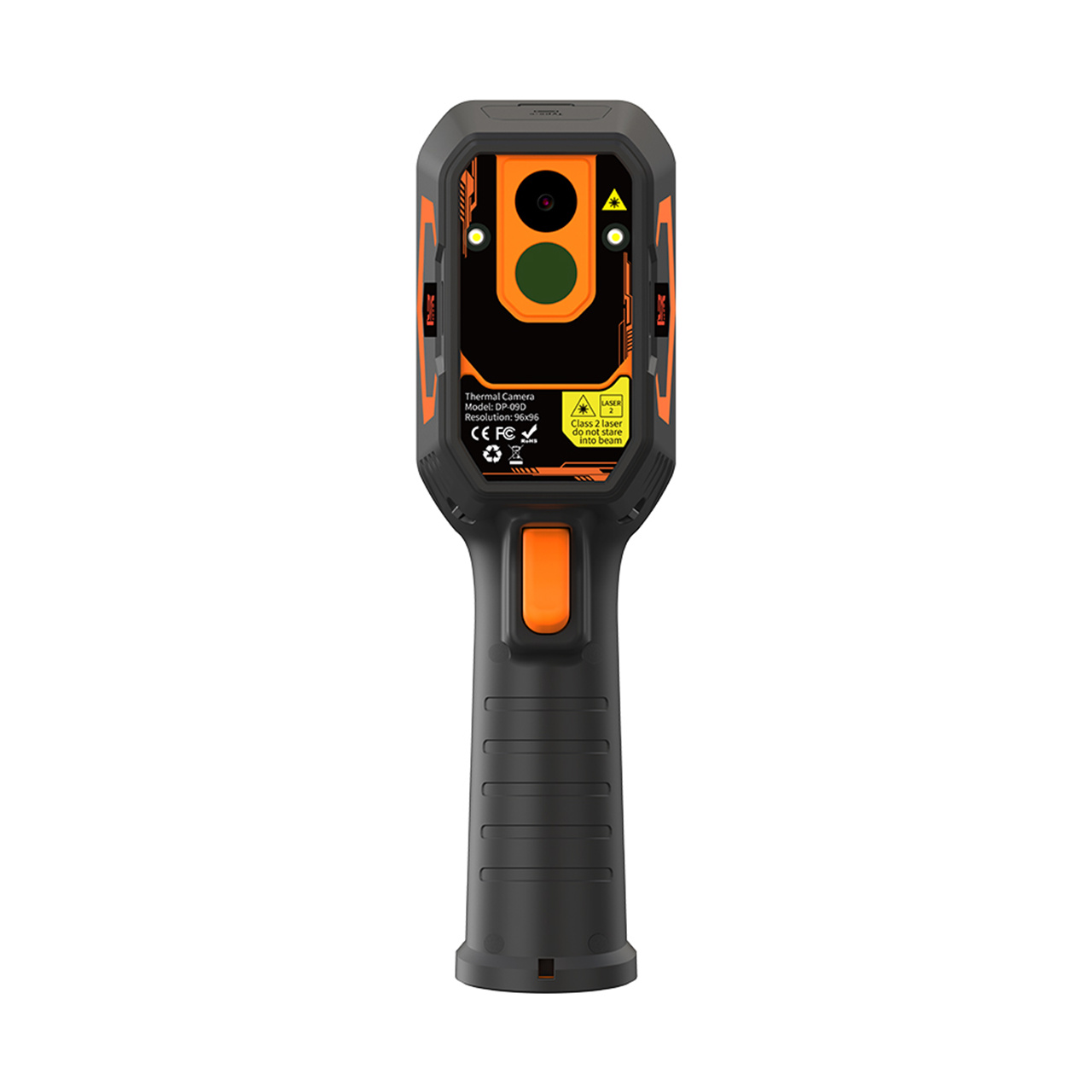
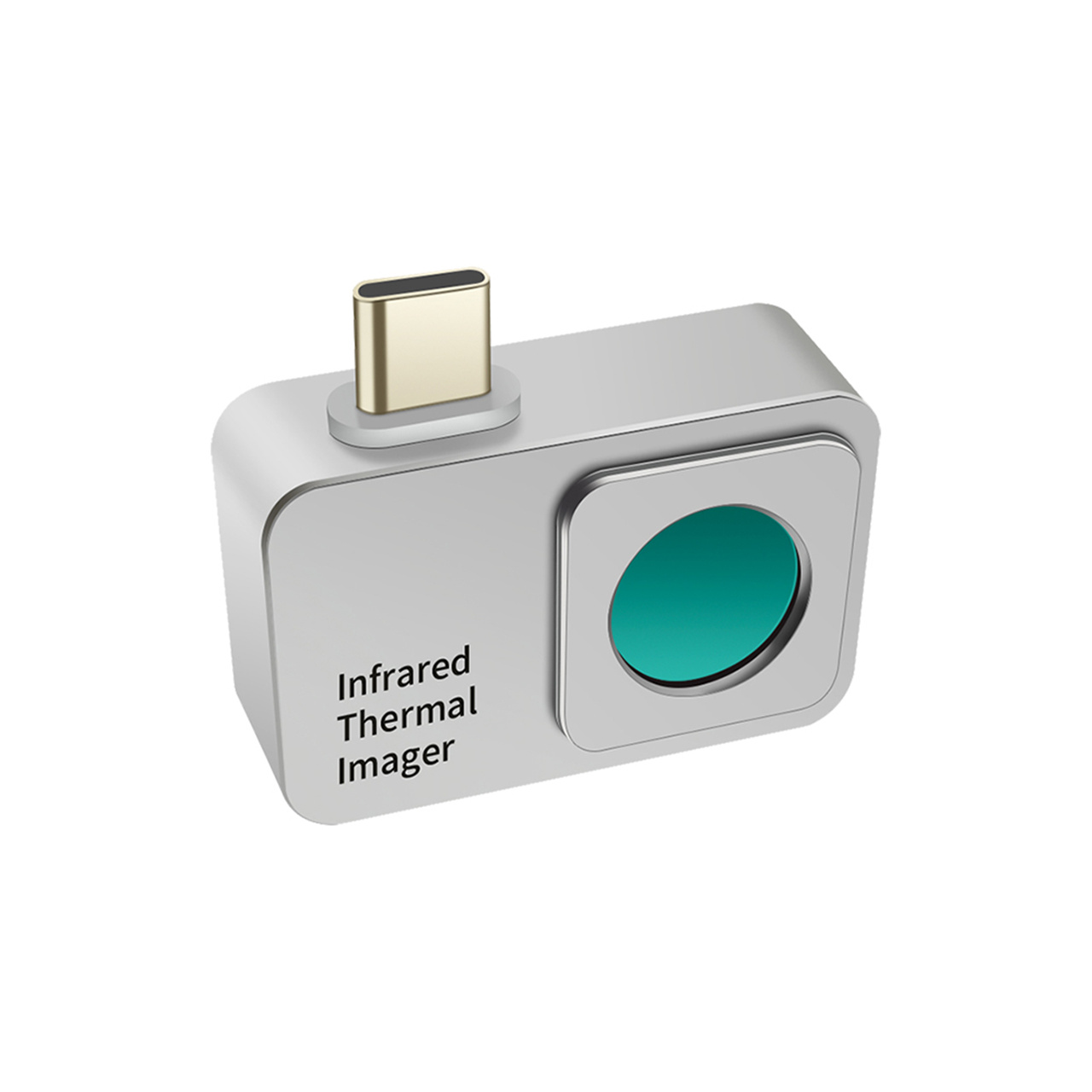
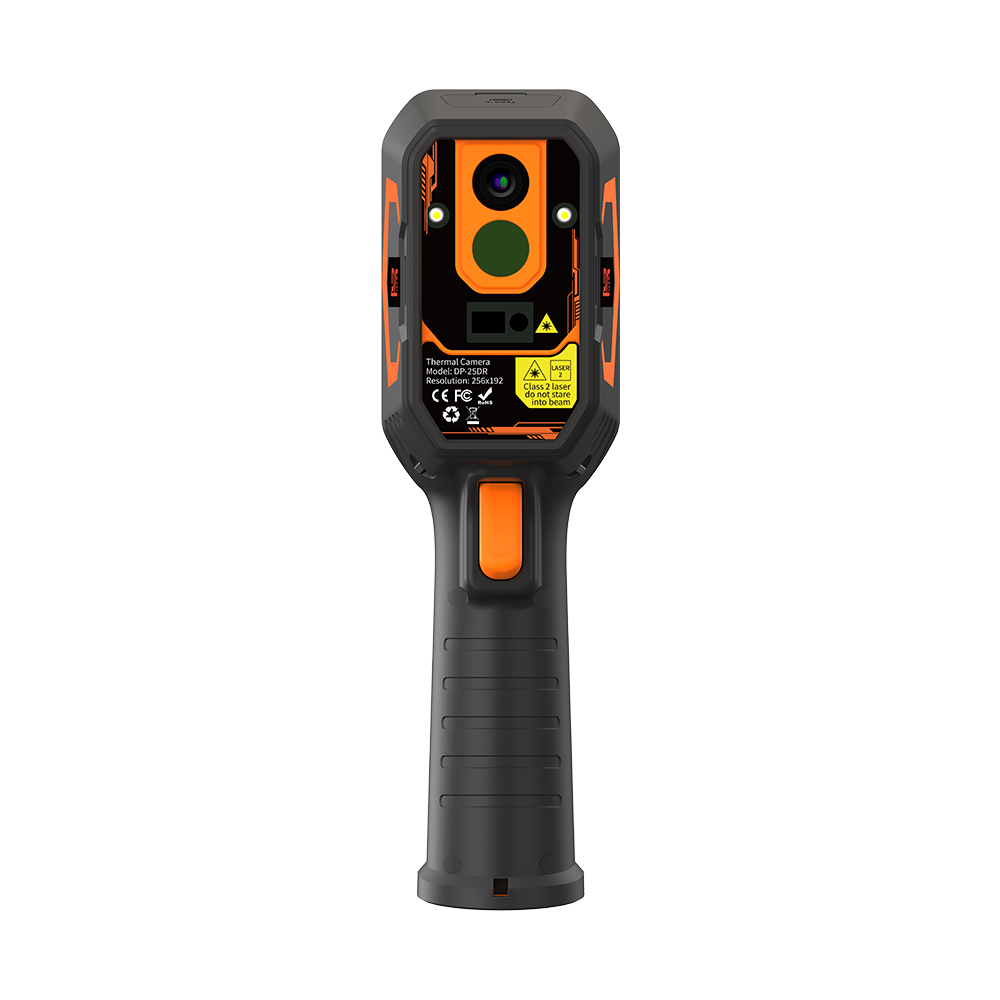

Contact our team to discuss your specific requirements and discover how Dianyang's thermal sensor modules can enhance your operations in Brazil.
Get Started Today