
Leave Your Message
Indonesia, as Southeast Asia's largest economy and a rapidly industrializing nation, is experiencing unprecedented growth in manufacturing, energy, infrastructure, and technology sectors. With a GDP exceeding $1.3 trillion and a strategic location connecting major trade routes, Indonesia has become a critical hub for industrial innovation and technological advancement. The thermal sensor industry plays an increasingly vital role in supporting this transformation, providing essential tools for quality control, predictive maintenance, safety monitoring, and energy efficiency across diverse applications.
The Indonesian government's commitment to Industry 4.0 initiatives, combined with substantial investments in smart manufacturing and infrastructure development, has created a robust demand for advanced thermal imaging solutions. From Jakarta's expanding industrial zones to Surabaya's manufacturing complexes, from Bali's tourism infrastructure to Kalimantan's mining operations, thermal sensors are becoming indispensable tools for modern Indonesian businesses seeking competitive advantages through technological innovation.
Indonesia's thermal sensor market has witnessed remarkable growth over the past five years, driven by multiple factors including increased industrial automation, stringent safety regulations, and growing awareness of predictive maintenance benefits. The market is currently valued at approximately $85-120 million USD annually, with projected compound annual growth rates (CAGR) of 12-15% through 2030. This growth trajectory positions Indonesia as one of the fastest-growing thermal imaging markets in the Asia-Pacific region.
Key industries driving thermal sensor adoption include manufacturing (automotive, electronics, textiles), energy and utilities (power generation, oil and gas), construction and infrastructure, agriculture and plantation management, healthcare and medical diagnostics, security and surveillance, and research and development institutions. The manufacturing sector alone accounts for approximately 35% of thermal sensor demand, followed by energy and utilities at 25%, and construction at 18%.
Java Island, particularly the Greater Jakarta area and Surabaya, represents the largest market for thermal sensors, accounting for nearly 60% of total demand. This concentration reflects the region's dense industrial infrastructure, including automotive assembly plants, electronics manufacturing facilities, petrochemical complexes, and food processing operations. Sumatera, with its extensive palm oil plantations, mining operations, and petrochemical industries, contributes approximately 20% to the market demand.
Kalimantan's coal mining sector and emerging industrial zones represent another 10% of the market, while Sulawesi and other eastern regions are experiencing rapid growth in thermal sensor adoption, particularly in mining, agriculture, and infrastructure development projects. Bali and other tourism-focused regions are increasingly deploying thermal sensors for building management, security, and public health monitoring applications.
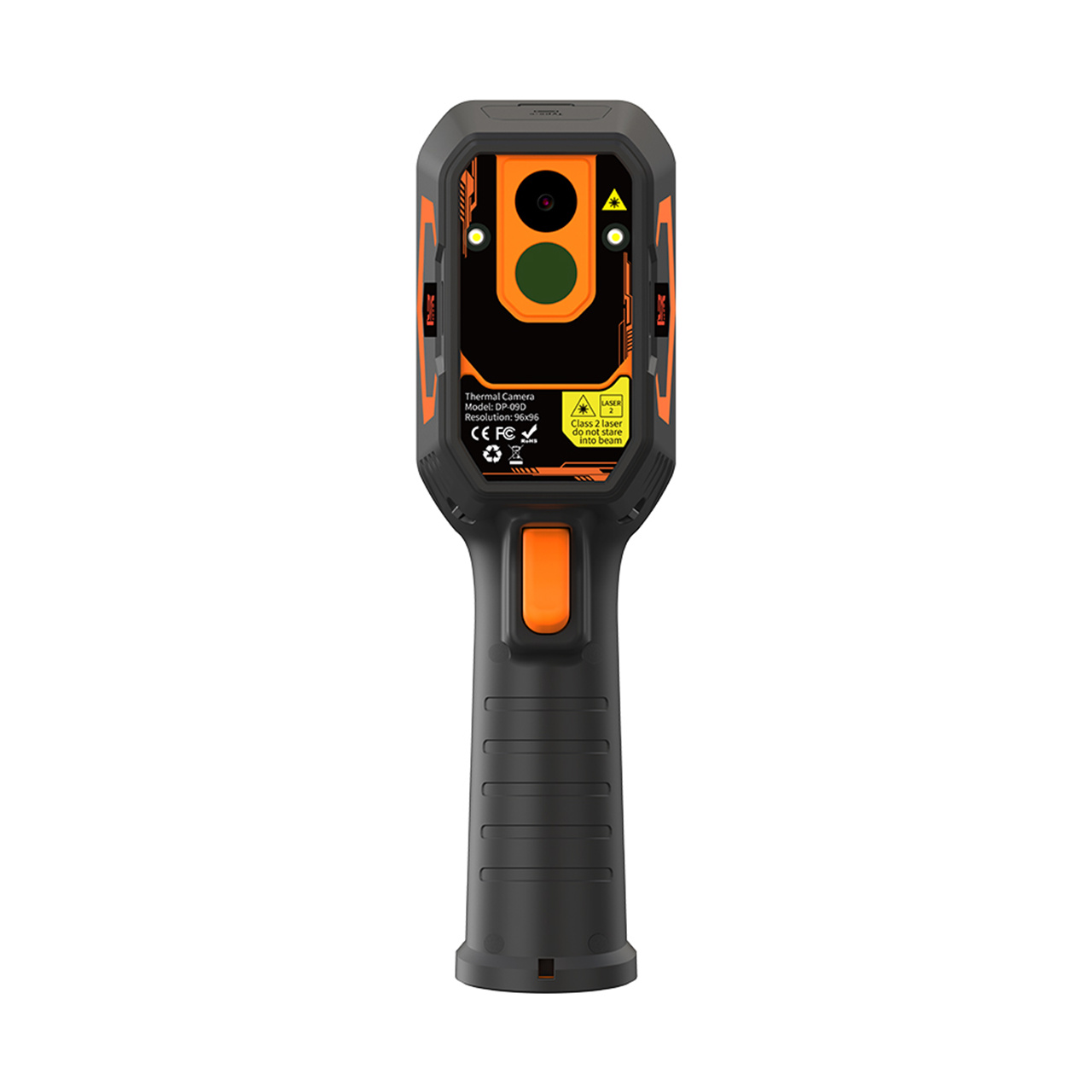
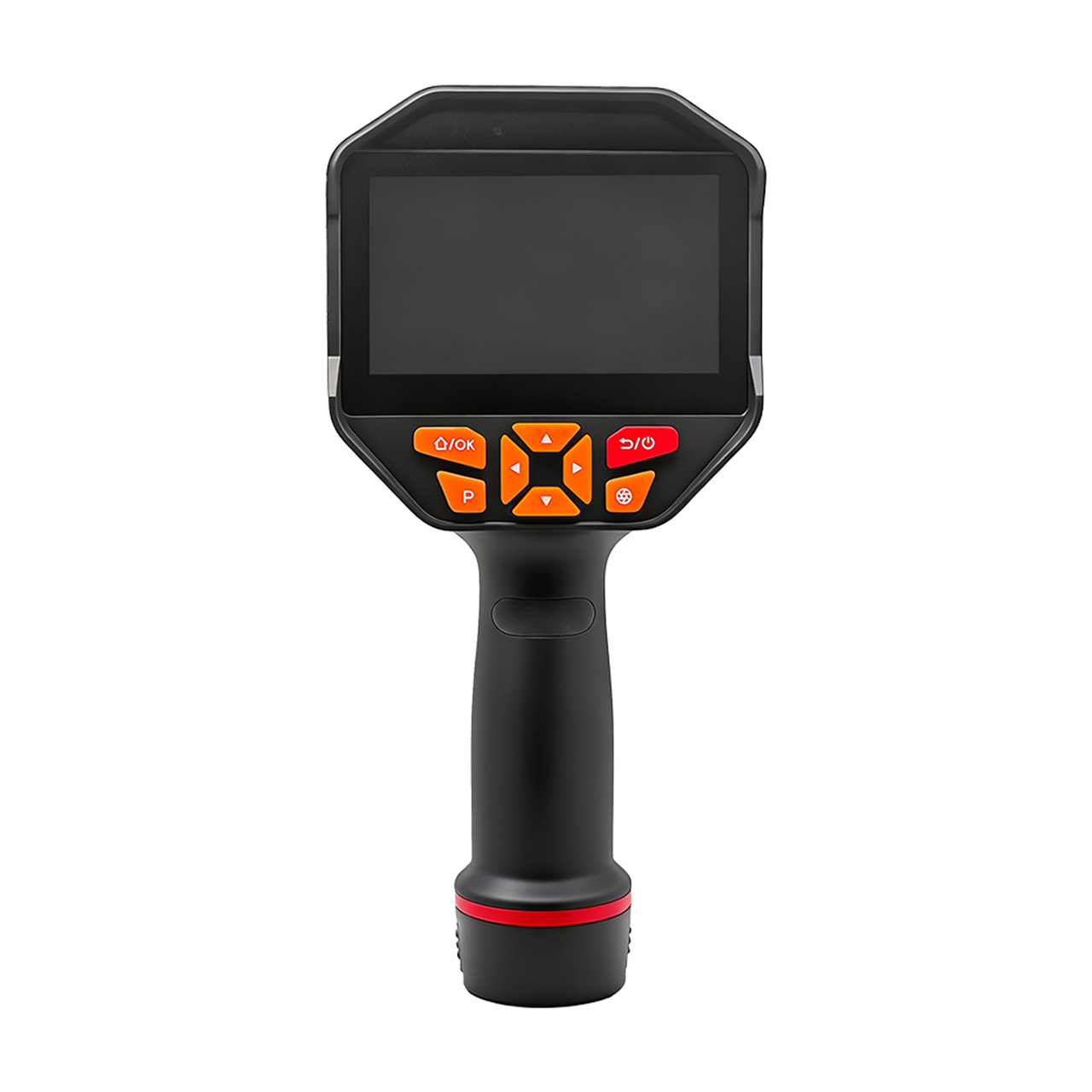
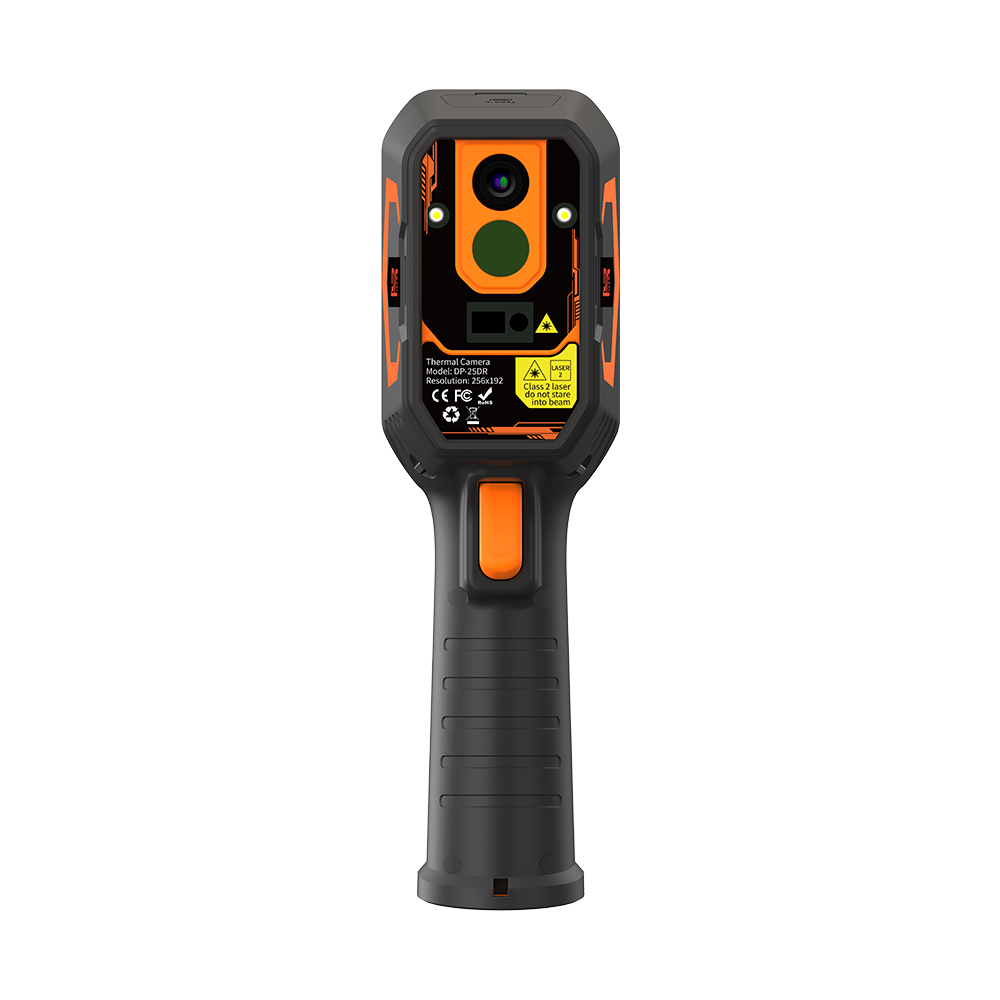
Indonesian industries are progressively moving from basic temperature measurement tools to sophisticated thermal imaging systems with advanced analytics capabilities. The adoption of uncooled thermal sensors, particularly those based on microbolometer technology, has accelerated due to their cost-effectiveness and reliability in tropical environments. Resolution requirements have evolved significantly, with 384×288 and 640×480 sensors becoming standard for industrial applications, while specialized applications increasingly demand higher resolutions.
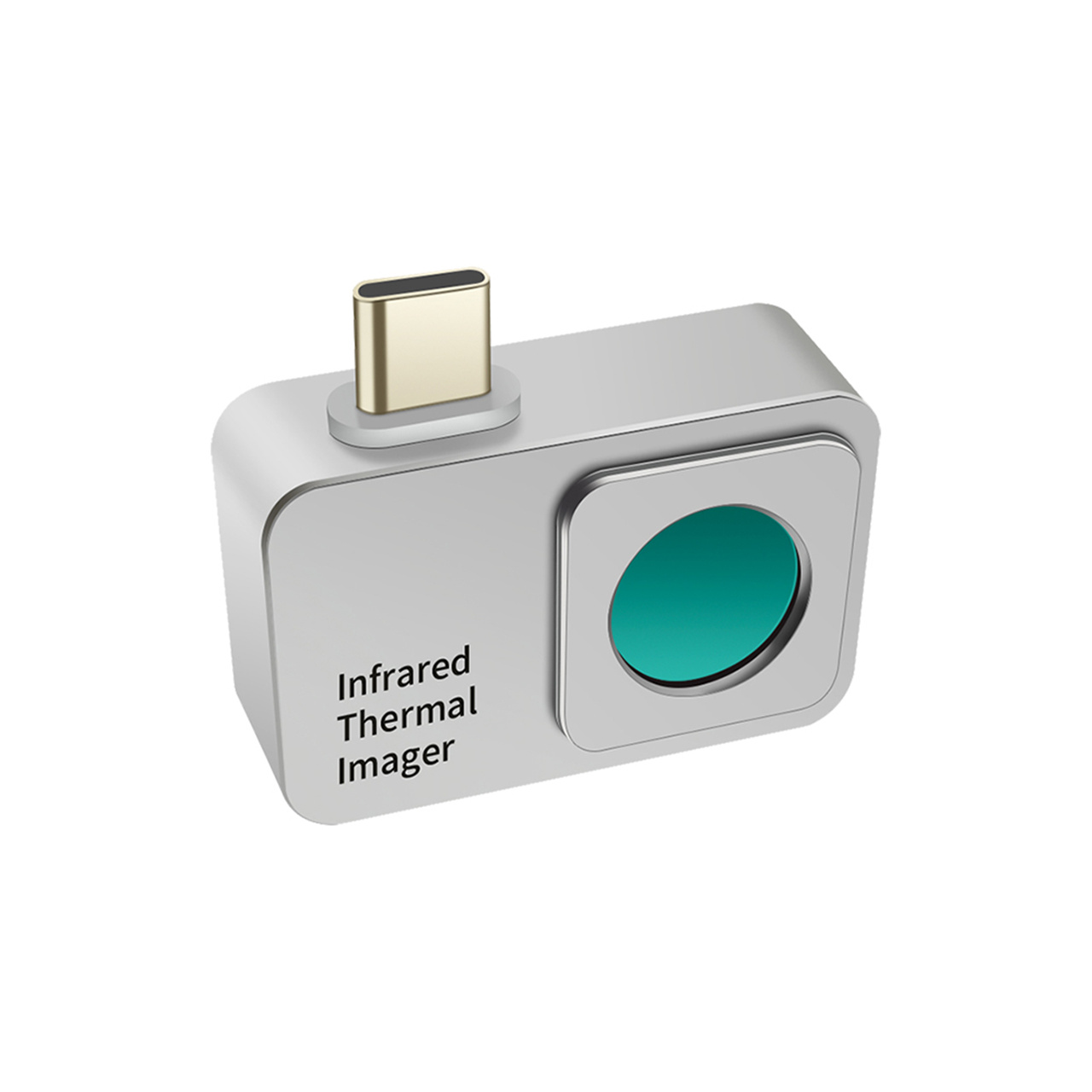
Integration with artificial intelligence and machine learning algorithms is gaining traction, enabling automated anomaly detection, predictive analytics, and real-time decision support. Cloud connectivity and IoT integration are becoming essential features, allowing remote monitoring and centralized data analysis across geographically distributed facilities. Mobile thermal imaging solutions, including smartphone-attachable thermal cameras, are experiencing rapid adoption among small and medium enterprises (SMEs) due to their affordability and ease of use.
Indonesia's automotive industry, which produces over 1.2 million vehicles annually, extensively utilizes thermal sensors for quality control in welding processes, paint curing monitoring, and component testing. Major automotive manufacturers in Karawang, Bekasi, and Cikarang industrial estates employ thermal imaging systems to detect defects in real-time, significantly reducing waste and improving production efficiency. Electronics manufacturing facilities, particularly those producing smartphones, computers, and consumer electronics, use thermal sensors to monitor PCB assembly processes, identify overheating components, and ensure product reliability before shipment.
The textile industry, a traditional strength of Indonesian manufacturing, has modernized through thermal sensor integration for monitoring dyeing processes, detecting equipment malfunctions, and optimizing energy consumption in heat-intensive operations. Food and beverage processing plants utilize thermal imaging for pasteurization verification, cold chain monitoring, and equipment maintenance, ensuring product safety and regulatory compliance.
Indonesia's ambitious energy infrastructure expansion, targeting 23% renewable energy by 2025, has created substantial demand for thermal monitoring solutions. Coal-fired power plants, which still generate approximately 60% of Indonesia's electricity, employ thermal cameras for boiler inspection, turbine monitoring, and electrical switchgear maintenance. These applications prevent catastrophic failures and optimize operational efficiency, directly impacting energy costs and reliability.
Geothermal energy facilities, where Indonesia ranks second globally in potential capacity, use specialized high-temperature thermal sensors for wellhead monitoring, pipeline inspection, and turbine performance analysis. Solar power installations, rapidly expanding across Java and Sumatra, utilize thermal imaging for panel inspection, hotspot detection, and performance optimization. The oil and gas sector, particularly in offshore platforms and refineries, depends on thermal sensors for flare stack monitoring, pipeline integrity assessment, and process safety management.
Indonesia's massive infrastructure development program, including new airports, seaports, highways, and urban transit systems, has generated significant demand for thermal inspection services. Building envelope inspections using thermal cameras identify insulation deficiencies, moisture intrusion, and structural defects before they escalate into costly problems. The tropical climate's high humidity and temperature variations make thermal imaging particularly valuable for detecting hidden issues in concrete structures, roofing systems, and facade installations.
Electrical system inspections in commercial buildings, industrial facilities, and residential complexes use thermal imaging to prevent fire hazards, reduce energy waste, and ensure code compliance. Jakarta's expanding MRT system and other urban rail projects employ thermal sensors for track monitoring, power distribution inspection, and tunnel ventilation analysis.
Indonesia's position as the world's largest palm oil producer has driven innovative applications of thermal sensor technology in plantation management. Aerial thermal imaging using drones equipped with thermal cameras enables early detection of pest infestations, disease outbreaks, and water stress across vast plantation areas. This technology allows plantation managers to implement targeted interventions, reducing pesticide usage and optimizing irrigation strategies.
Livestock farming operations use thermal sensors for animal health monitoring, detecting fever and illness before visible symptoms appear. Greenhouse operations employ thermal imaging for climate control optimization, ensuring ideal growing conditions while minimizing energy consumption. Post-harvest storage facilities utilize thermal monitoring to prevent spoilage and maintain product quality during transportation and storage.
Indonesia's mining sector, producing significant quantities of coal, nickel, tin, and copper, relies heavily on thermal imaging for equipment monitoring, fire prevention, and worker safety. Conveyor belt monitoring systems detect bearing failures and material buildup before they cause shutdowns. Thermal cameras installed in underground mines provide early warning of spontaneous combustion risks and ventilation issues.
The COVID-19 pandemic accelerated thermal sensor deployment for fever screening at airports, shopping malls, offices, and public facilities throughout Indonesia. Beyond pandemic response, medical thermal imaging is gaining acceptance for diagnostic applications including breast cancer screening, vascular assessment, and sports medicine. Emergency response teams utilize thermal cameras for search and rescue operations, fire fighting, and disaster response.
Critical infrastructure protection, border security, and industrial facility surveillance increasingly incorporate thermal imaging technology. Thermal cameras provide 24/7 monitoring capability regardless of lighting conditions, making them ideal for perimeter security in Indonesia's diverse environments. Maritime security applications include port surveillance, vessel traffic monitoring, and anti-piracy operations.
Indonesian universities and research institutions are expanding their thermal imaging capabilities for materials science, environmental monitoring, and engineering research. Collaborations with international research organizations are fostering knowledge transfer and technology development specifically adapted to tropical conditions and local industrial requirements.
Indonesia's Making Indonesia 4.0 roadmap, launched in 2018, prioritizes digital transformation across five key manufacturing sectors: food and beverage, textiles, automotive, electronics, and chemicals. Thermal sensor technology plays a crucial role in this transformation by providing real-time data for predictive maintenance systems, quality control automation, and process optimization. The integration of thermal imaging with Industrial Internet of Things (IIoT) platforms enables continuous monitoring of critical equipment, reducing unplanned downtime by 30-50% according to early adopters.
Artificial intelligence and machine learning algorithms are being trained on thermal image datasets to automatically detect anomalies, predict equipment failures, and recommend maintenance actions. Indonesian manufacturing companies partnering with technology providers are developing customized AI models that account for local operating conditions, including high ambient temperatures, humidity variations, and specific equipment configurations common in Indonesian facilities.
The thermal sensor market is experiencing continuous miniaturization, with smaller, lighter, and more affordable devices becoming available. This trend particularly benefits Indonesian SMEs, which represent 99% of all businesses and 97% of employment. Smartphone-compatible thermal cameras priced under $500 are enabling small workshops, maintenance contractors, and individual technicians to access thermal imaging technology previously affordable only to large corporations.
Domestic assembly and manufacturing capabilities are emerging in Indonesia, with several electronics manufacturers exploring thermal sensor module assembly for regional markets. This localization reduces import dependencies, shortens supply chains, and creates opportunities for customization to meet specific Indonesian market requirements.
Indonesian regulatory agencies are increasingly mandating thermal inspections for specific applications. Electrical safety regulations now require periodic thermal inspection of high-voltage installations, creating a substantial recurring demand for thermal imaging services. Building codes in major cities are incorporating thermal inspection requirements for energy efficiency certification, particularly for commercial buildings and government facilities.
Occupational safety regulations in hazardous industries require regular thermal monitoring of critical equipment and processes. The Ministry of Energy and Mineral Resources has established guidelines for thermal inspection of power generation facilities, transmission infrastructure, and petrochemical plants. Compliance with these regulations is driving systematic adoption of thermal sensor technology across regulated industries.
Indonesia's commitment to reducing greenhouse gas emissions by 29% by 2030 (or 41% with international support) is creating new applications for thermal sensor technology. Energy audits using thermal imaging identify heat losses, insulation deficiencies, and equipment inefficiencies that contribute to unnecessary energy consumption. Industrial facilities are using thermal data to optimize processes, reduce fuel consumption, and lower carbon footprints.
Environmental monitoring applications include forest fire detection, volcanic activity monitoring, and wildlife conservation. Indonesia's network of active volcanoes requires continuous thermal monitoring for early warning systems. Conservation programs use thermal imaging for nocturnal wildlife surveys and anti-poaching operations in protected areas.
Despite strong growth prospects, the Indonesian thermal sensor market faces several challenges. Limited awareness among SMEs about thermal imaging benefits requires sustained educational efforts and demonstration projects. Initial investment costs, while decreasing, remain significant for smaller businesses operating on tight margins. Technical expertise for proper interpretation of thermal images and implementation of corrective actions is still developing, creating demand for training programs and certification courses.
However, these challenges present opportunities for market development. Training providers, system integrators, and service companies can build sustainable businesses by addressing knowledge gaps and providing turnkey solutions. Financing mechanisms, including equipment leasing and pay-per-use models, are making thermal imaging technology more accessible to cost-sensitive customers. Government incentive programs supporting technology adoption and digital transformation provide additional momentum for market expansion.
Industry analysts project Indonesia's thermal sensor market will reach $200-250 million USD by 2030, representing more than doubling of current market size. The compound annual growth rate of 12-15% reflects sustained industrial expansion, increasing automation adoption, and broader awareness of thermal imaging benefits. The shift toward higher-resolution sensors, multi-spectral imaging, and AI-enhanced analytics will drive average selling prices higher even as entry-level products become more affordable. Indonesian manufacturers and system integrators developing local expertise and customized solutions will capture increasing market share from international suppliers, fostering domestic technology capabilities and creating high-value employment opportunities.

We provide professional consultation to help you choose the optimal thermal imaging solution based on your application, budget, and technical requirements. Our engineering team can recommend suitable sensors, lenses, temperature ranges, and interface options tailored to Indonesian industrial conditions and applications.
We support full customization including housing & industrial design, PCB and hardware customization, firmware / APP / PC software development, branding, packaging, and UI customization, and specialized algorithms (temperature analysis, AI/ML, etc.). Our R&D team works closely with you from concept to mass production, ensuring solutions perfectly match Indonesian market requirements.
We offer detailed datasheets, SDK/API documentation, integration guidelines, and sample testing reports to ensure clear understanding before purchase. All documentation is available in English with technical support for Indonesian customers.
Evaluation samples are available for testing and validation in your specific Indonesian application environment. We provide quick dispatch and comprehensive technical support during your trial phase, including remote assistance and on-site demonstrations when required.

Each project is assigned a dedicated project manager and engineer to ensure smooth communication, timely updates, and technical alignment. Our team understands Indonesian business practices and time zones, ensuring responsive support throughout the production process.
We implement strict QC standards including incoming testing, calibration, NUC tests, aging tests, and final inspections. All units follow ISO-based production workflows with special attention to tropical environment performance requirements relevant to Indonesian applications.
We support small-batch pilot runs, medium-volume scaling, and mass production with stable lead times and cost-effective solutions. Our flexible manufacturing approach accommodates the diverse needs of Indonesian customers from SMEs to large corporations.
Production progress, inspection reports, and shipping timelines are shared with customers to ensure full transparency. We provide regular updates and maintain open communication channels throughout the manufacturing and delivery process to Indonesian destinations.

Our engineering team provides prompt technical support for integration, SDK usage, firmware configuration, and product debugging. We offer support through multiple channels including email, phone, and remote assistance, with understanding of Indonesian business hours and communication preferences.
All products come with a standard warranty covering manufacturing defects. We offer free repair or replacement for warranty claims, paid maintenance for out-of-warranty products, and fast turnaround for urgent cases. Our service network ensures efficient support for Indonesian customers.
We regularly release firmware updates, bug fixes, and feature improvements to enhance product performance and stability. Updates are designed to optimize performance in tropical conditions and address specific requirements identified by Indonesian users.
We commit to stable supply, component lifecycle management, and long-term product support to ensure your business continuity. Our partnership approach focuses on supporting Indonesian industrial development and maintaining strong relationships with local customers and distributors.
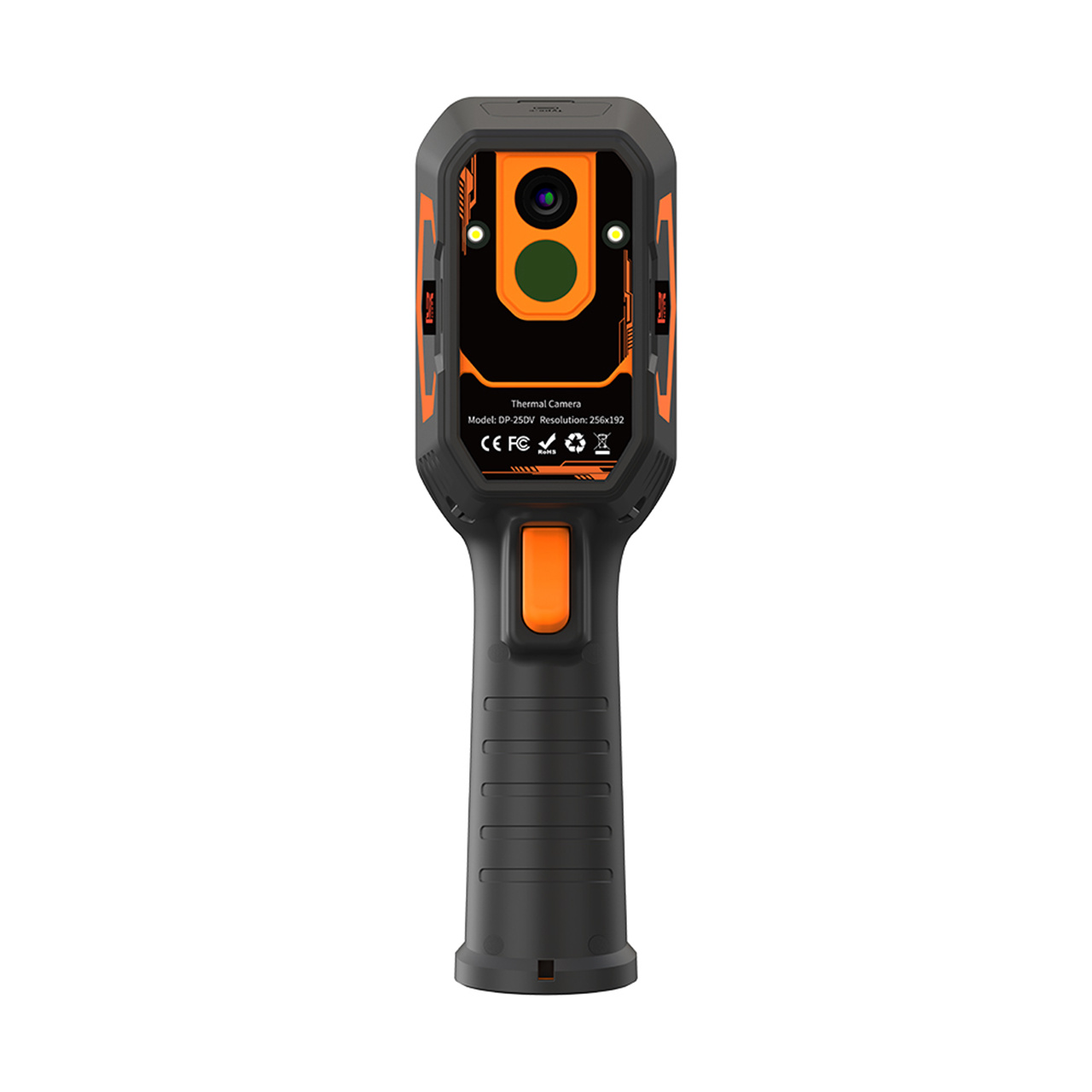
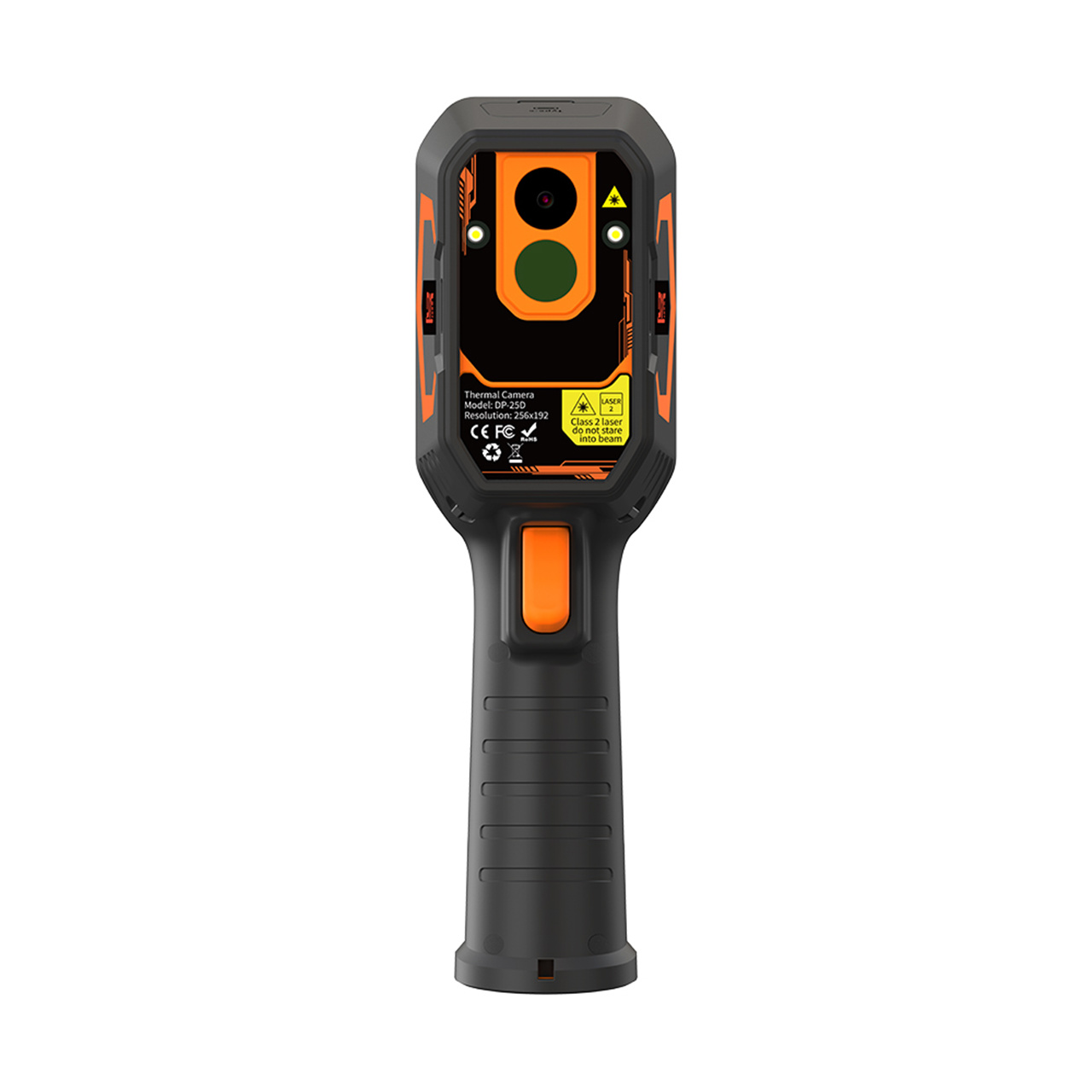
As Indonesia continues its remarkable industrial transformation and embraces Industry 4.0 technologies, the role of thermal sensor technology becomes increasingly critical. From supporting manufacturing excellence in Java's industrial corridors to enabling sustainable plantation management in Sumatra, from ensuring power reliability across the archipelago to protecting critical infrastructure in urban centers, thermal imaging solutions are essential tools for Indonesian businesses seeking competitive advantages through technological innovation.
Our commitment to the Indonesian market goes beyond simply supplying thermal sensors. We partner with Indonesian businesses to understand their unique challenges, develop customized solutions that perform reliably in tropical conditions, provide comprehensive technical support throughout the product lifecycle, and contribute to building local technical expertise and capabilities. Whether you're a large multinational corporation operating in Indonesia, a domestic manufacturer seeking to modernize operations, an SME exploring thermal imaging technology for the first time, or a system integrator developing solutions for Indonesian customers, we offer the products, expertise, and support services needed for success.
The future of Indonesia's thermal sensor industry is bright, driven by continued industrial expansion, increasing automation adoption, growing environmental and safety consciousness, and government support for technological advancement. We are excited to be part of this journey, supporting Indonesian industries as they leverage thermal imaging technology to improve efficiency, enhance safety, reduce costs, and build sustainable competitive advantages in the global marketplace.