Leave Your Message
Engineered for demanding Polish industrial environments — from energy infrastructure inspections to building diagnostics and firefighting operations.
Poland stands as one of Central Europe's most dynamic industrial economies. With rapid modernization of energy infrastructure, manufacturing expansion, and growing investment in smart building technologies, the demand for professional waterproof thermal imagers has surged significantly across Polish industries.
From the coal-transitioning Silesia region to Warsaw's smart infrastructure projects, thermal imaging cameras are becoming indispensable tools across Poland's key sectors.
Poland's extensive power grid, including high-voltage substations in the Silesia and Łódź regions, requires frequent thermal inspection to detect overheating components, loose connections, and insulation failures. Waterproof thermal imagers allow technicians to safely inspect live equipment in all weather conditions, reducing unplanned outages and maintenance costs.
Under Poland's National Energy and Climate Plan (NECP), thousands of residential and commercial buildings in Warsaw, Kraków, and Wrocław are undergoing energy efficiency retrofits. Thermal cameras are essential for identifying heat loss, moisture infiltration, and insulation gaps — helping auditors comply with EU energy performance directives and qualify buildings for renovation subsidies.
The Państwowa Straż Pożarna (Polish State Fire Service) operates over 500 units nationwide. Thermal imagers are standard equipment for locating victims in smoke-filled environments, detecting hidden hotspots in building structures, and monitoring wildfire perimeters in the Mazury lake district and Bieszczady mountain regions.
Poland hosts major automotive manufacturing facilities including Volkswagen Poznań, Fiat Chrysler in Tychy, and Toyota in Wałbrzych. Thermal imagers are deployed for condition monitoring of motors, bearings, conveyor systems, and hydraulic equipment — enabling predictive maintenance that reduces downtime and extends machine lifespan in high-throughput production environments.
Poland's extensive water treatment and distribution network, particularly along the Vistula river basin and Baltic coastal areas, requires robust waterproof thermal cameras for pipeline leak detection, pump station monitoring, and dam safety inspections. IP67-rated thermal imagers are specifically valued for outdoor deployments in Poland's harsh winter conditions.
In Poland's agricultural heartlands of Podlaskie and Warmia-Mazury, thermal imaging supports livestock health monitoring, grain storage temperature management, and refrigeration system diagnostics in food processing plants. As Poland is one of Europe's top food exporters, maintaining cold chain integrity with thermal cameras is increasingly critical for compliance with EU food safety regulations.
Several macro-level developments are accelerating the adoption of waterproof thermal imaging technology across Poland's commercial and industrial landscape.
Poland is under increasing pressure from EU directives to transition away from coal and improve energy efficiency across all sectors. This has created a significant market for thermal imaging tools used in energy audits, building retrofits, and renewable energy infrastructure inspections — particularly for wind farms in the Baltic Sea and solar installations in southern Poland.
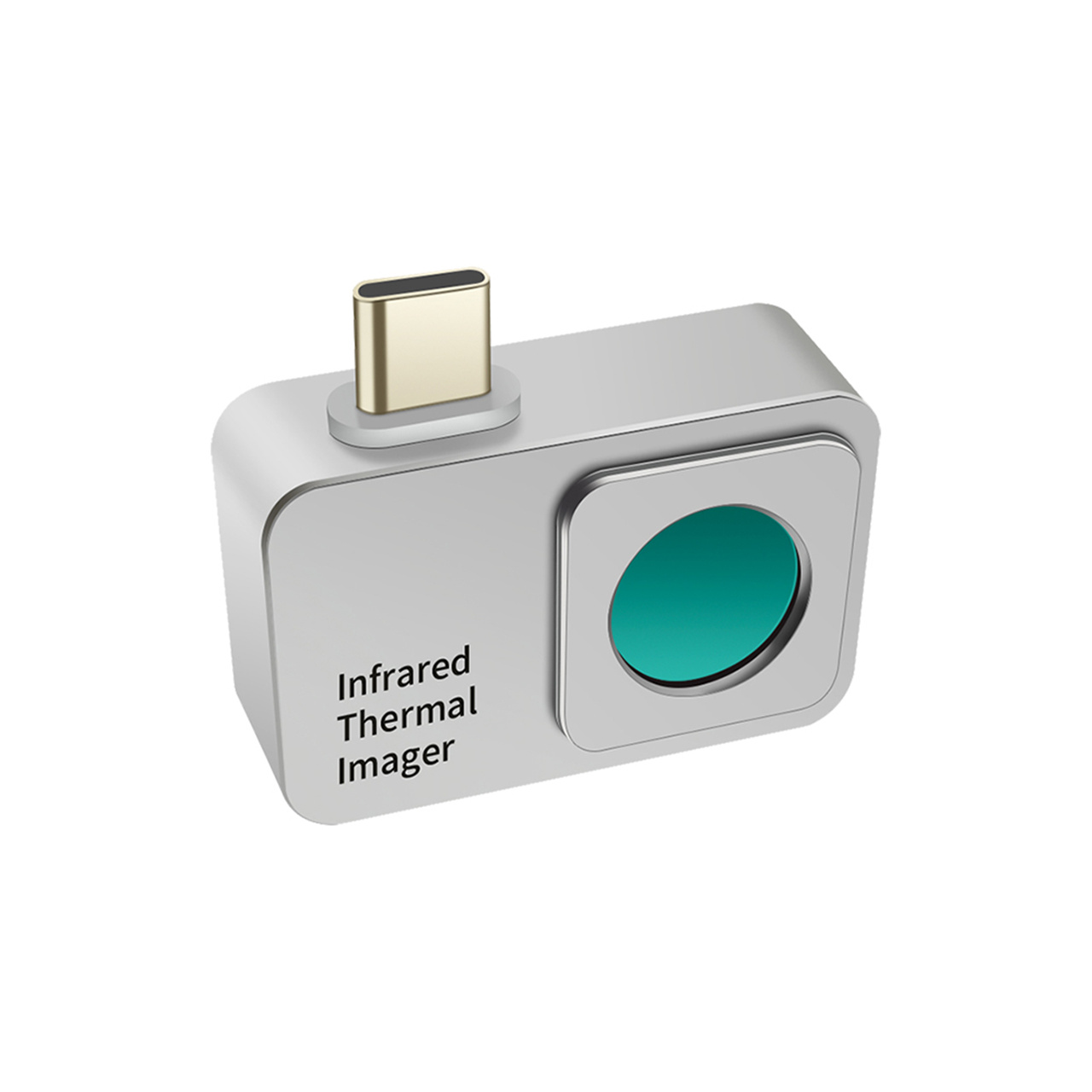
Polish manufacturers are rapidly adopting Industry 4.0 technologies, including IoT-connected thermal cameras integrated into automated production monitoring systems. Smartphone-connected thermal imagers like the H1FB and H2FB are particularly popular for their ease of integration with existing digital maintenance platforms used in Polish smart factories.
Poland's continental climate — with cold, wet winters and humid summers — demands thermal imagers with high ingress protection ratings. The market is increasingly shifting toward IP67 and IP68-rated devices that can operate reliably in rain, snow, and dusty industrial environments without compromising image quality or measurement accuracy.
The Polish construction market is one of the fastest-growing in Europe, driven by EU structural funds and national infrastructure programs. Building inspectors, energy auditors, and construction companies are increasingly specifying thermal cameras as standard equipment for quality control, defect detection, and compliance with Poland's updated building energy standards (WT 2021).
Poland's strategic position as a NATO frontline state has led to significant investment in thermal imaging for border surveillance, military training, and critical infrastructure protection. Professional-grade thermal cameras with long detection ranges are in high demand for deployment along Poland's eastern border and at key military installations.
The adoption of mobile-connected thermal imagers is growing rapidly among Polish field service technicians, electrical inspectors, and HVAC engineers. These compact devices offer professional-level thermal imaging capability at accessible price points, enabling wider adoption across Poland's large base of SME maintenance and engineering companies.
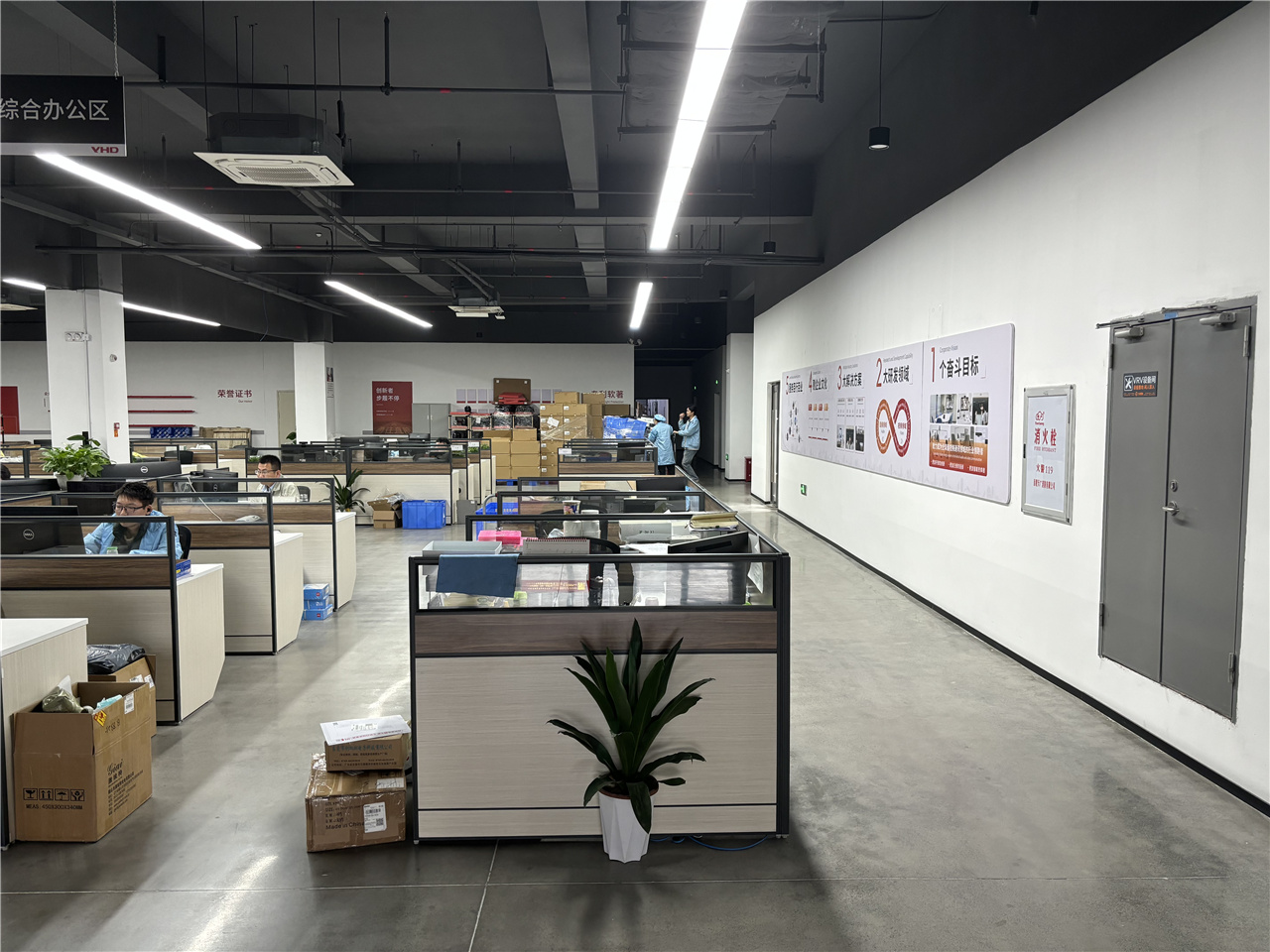
Shenzhen Dianyang Technology Co., Ltd. is a subsidiary of VHD (Shenzhen VHD Technology Co., Ltd.), a publicly listed company on the Shenzhen Stock Exchange. This strategic affiliation gives Dianyang unique access to VHD's advanced R&D platforms, high-precision manufacturing systems, and rigorous quality management practices — enabling us to deliver thermal imaging products of higher reliability and consistency than typical ODMs.
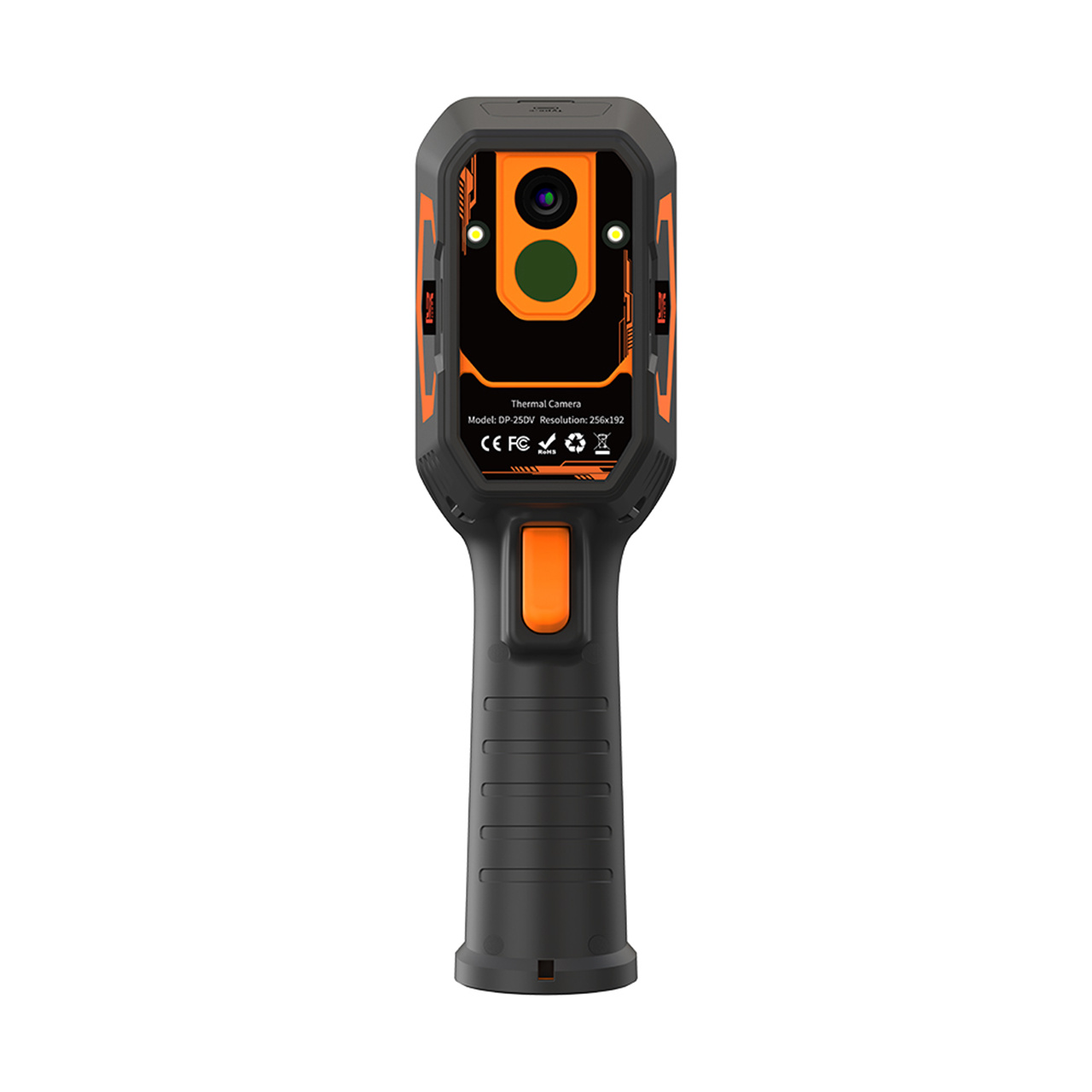
We specialize in ODM/OEM services for infrared thermal imaging solutions, including handheld thermal imagers, smartphone-connected thermal cameras, thermal analyzers, and thermal imaging telescopes. Our products serve global customers in power inspection, building diagnostics, firefighting, industrial maintenance, and outdoor applications.
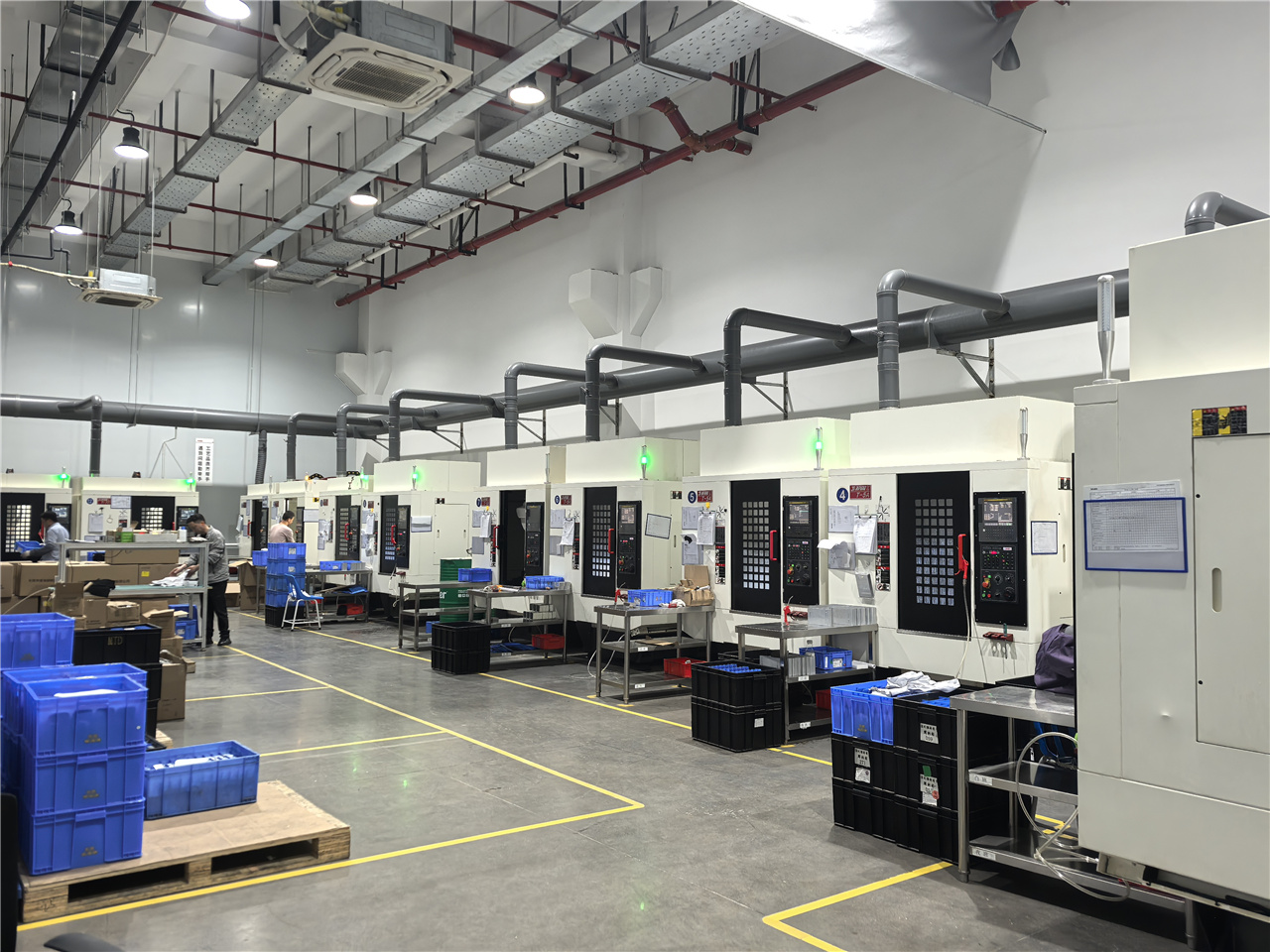
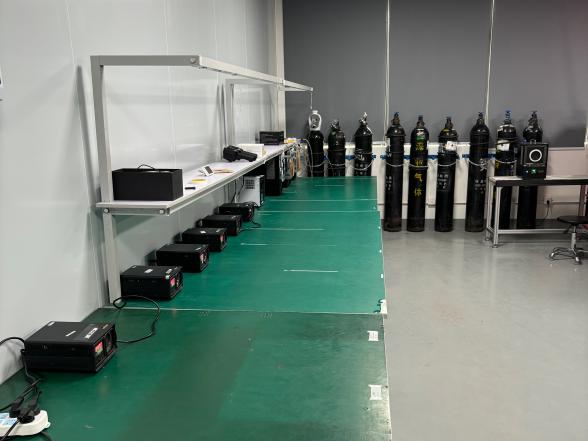
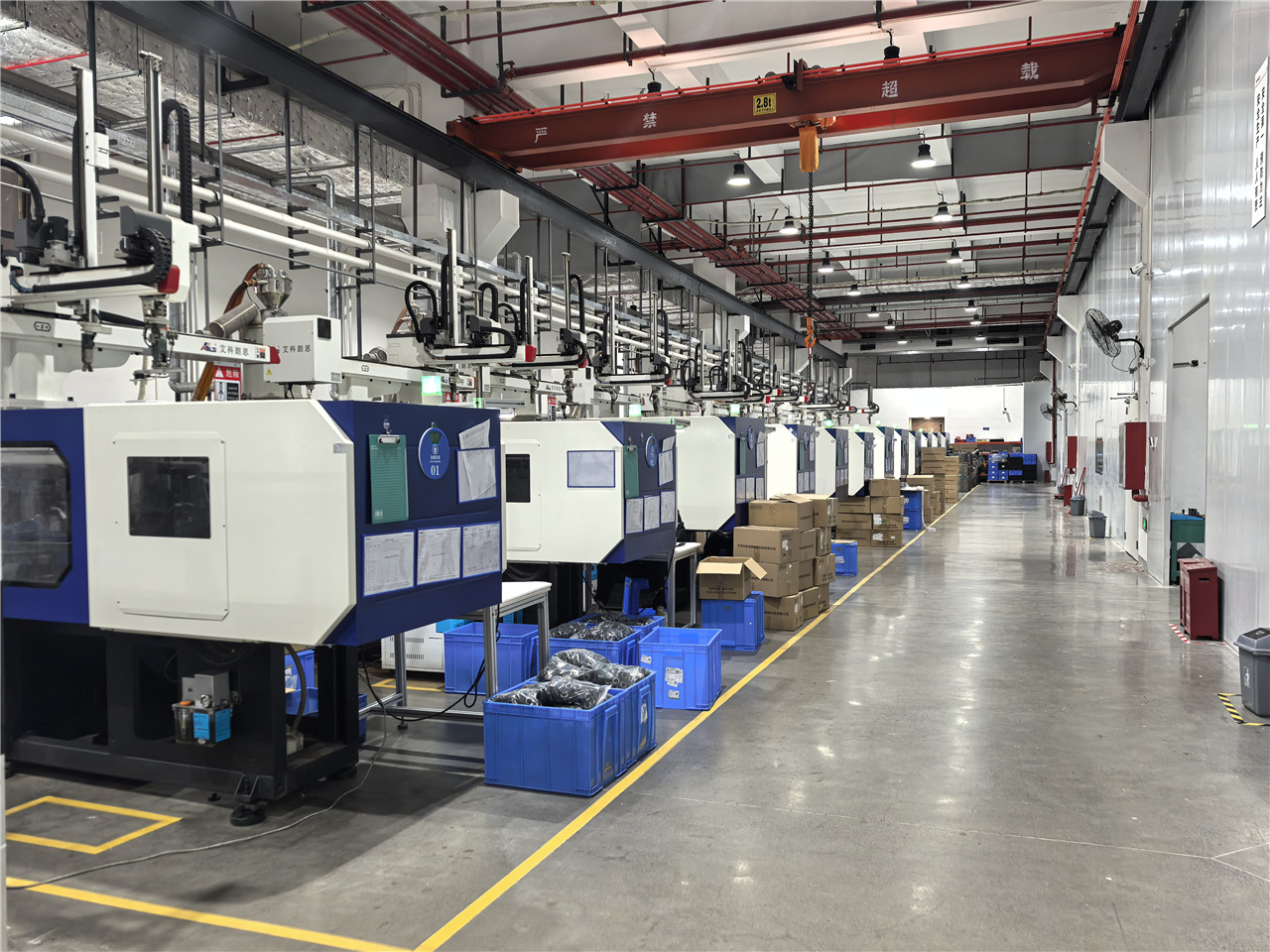
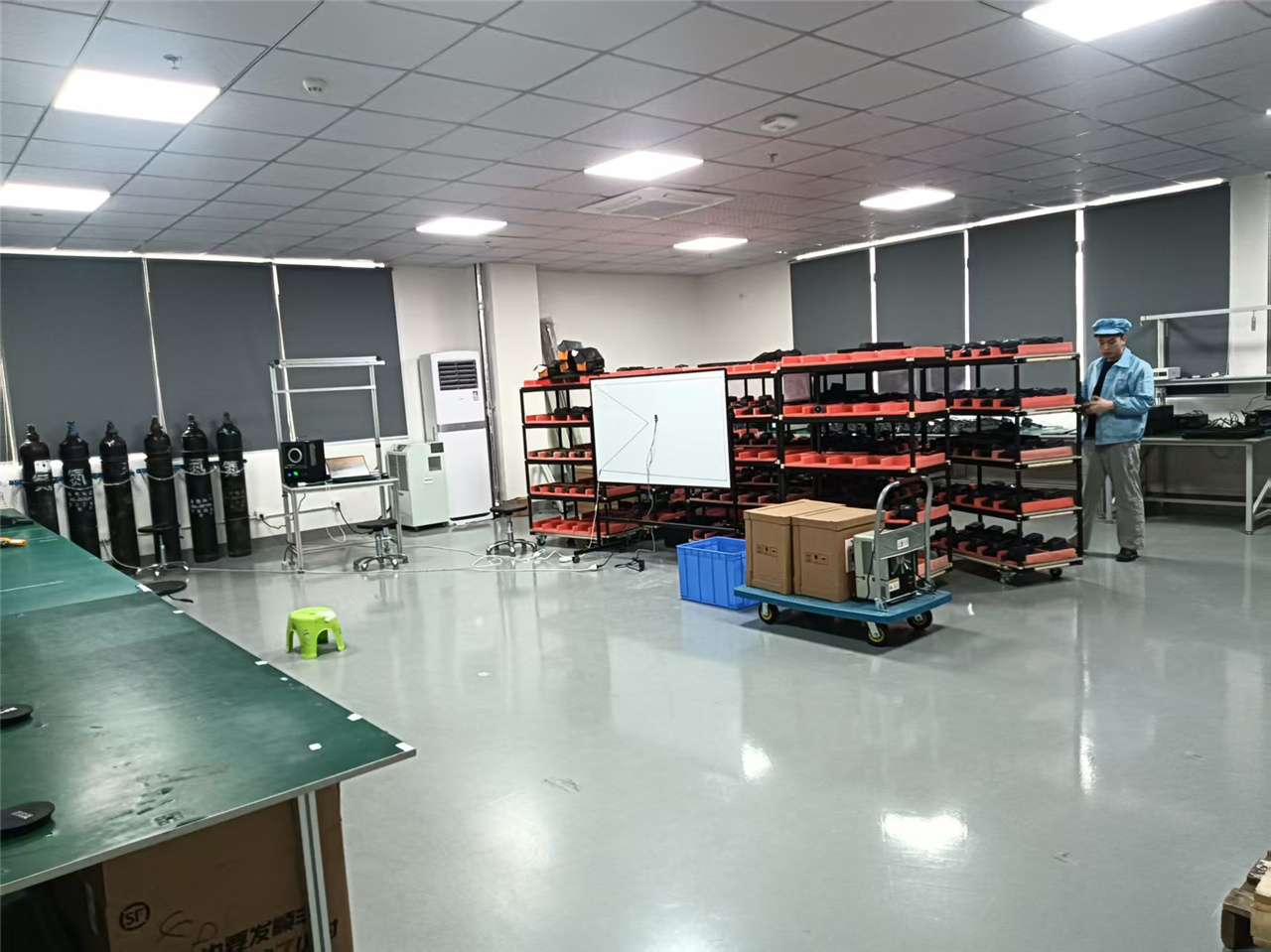


Our dedicated engineering team applies Design for Manufacturing (DFM), Design for Testability (DFT), thermal simulation, and EMC pre-compliance analysis to optimize performance and accelerate development. We support clients in obtaining all key certifications required for the Polish and European markets.
Our structured New Product Introduction (NPI) process typically delivers certified prototypes within 8–12 weeks. Combined with stable supply chain support and group-level technical resources, we ensure on-time delivery and long-term product reliability for Polish distribution partners and end-users.
We support clients in obtaining key certifications including CE (mandatory for Polish/EU market), FCC, RoHS, REACH, CB, UKCA, KC, and PSE — ensuring full regulatory compliance for distribution across Poland and the broader European Economic Area.
By combining focused thermal imaging expertise with the backing of a listed parent company (VHD), Dianyang offers a rare blend of agility, quality, and scalability — helping global partners including Polish distributors bring high-performance, certified thermal products to market with confidence.
As a subsidiary of VHD (Shenzhen VHD Technology Co., Ltd., listed on Shenzhen Stock Exchange), Dianyang benefits from enterprise-grade quality management systems, advanced manufacturing infrastructure, and financial stability — providing Polish partners with a reliable, long-term supply chain relationship.
Whether you are a Polish distributor, system integrator, or industrial end-user, contact us today to receive a customized quotation, product specifications, and service terms tailored to the Polish market. Our team is ready to support your thermal imaging needs with competitive pricing and full CE certification compliance.
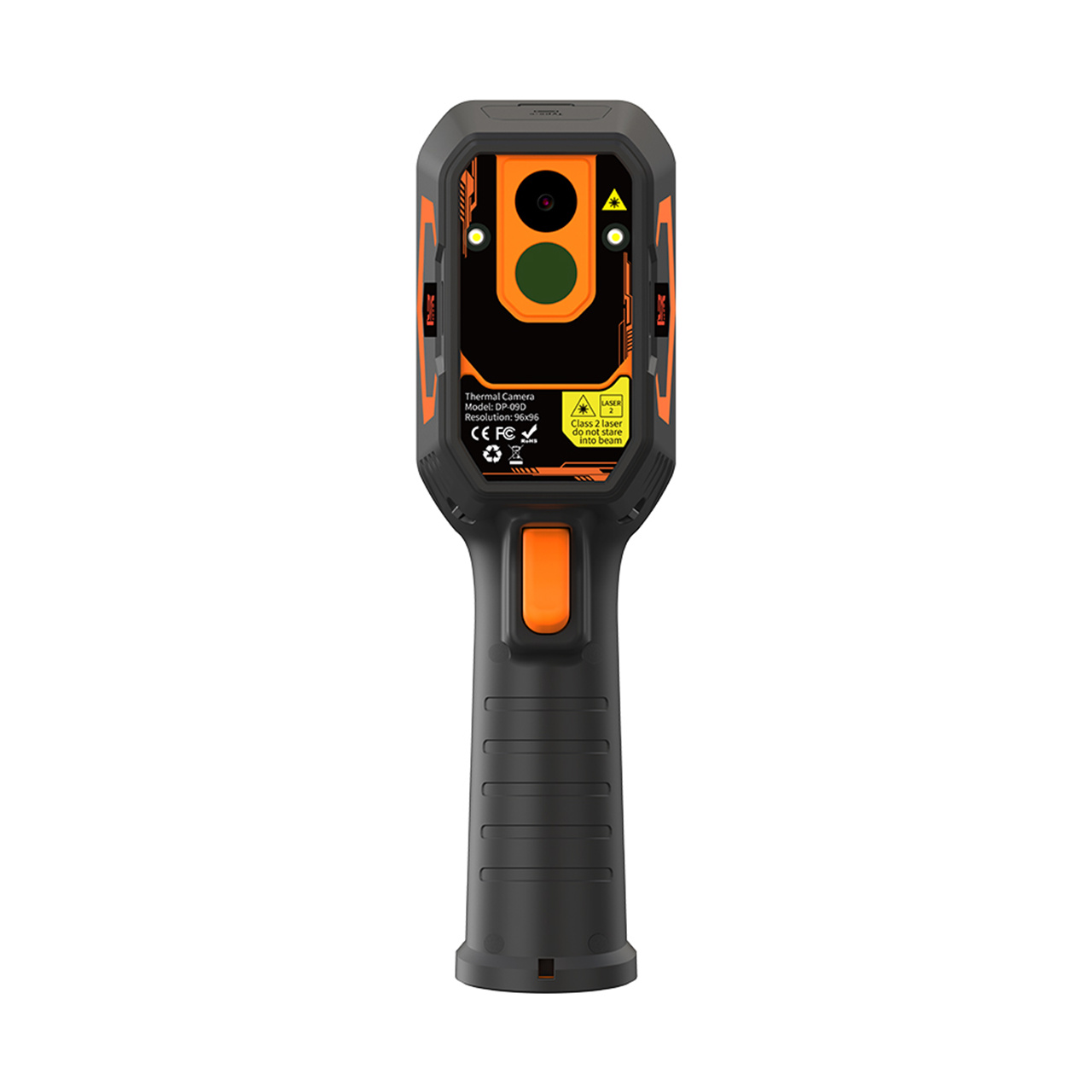
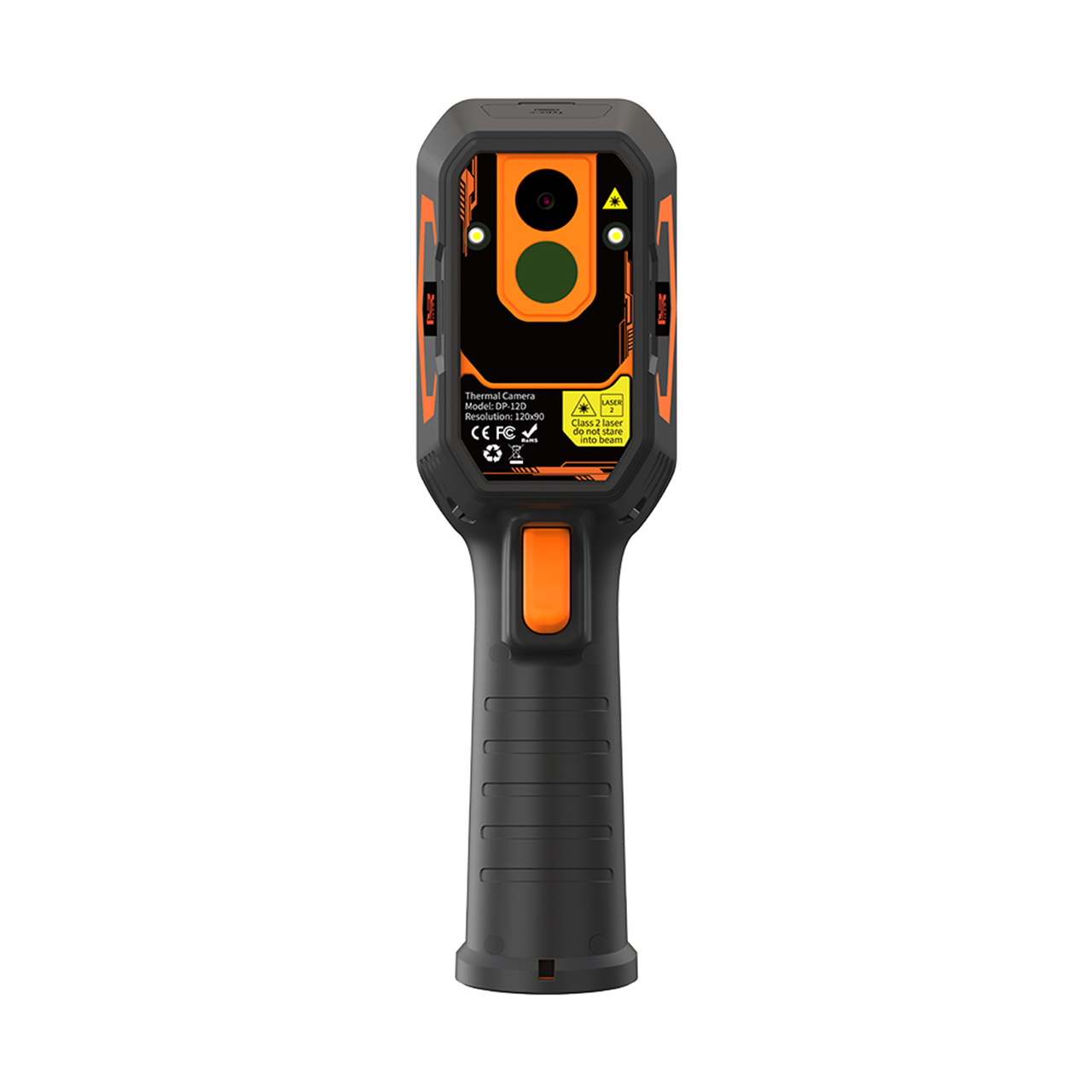
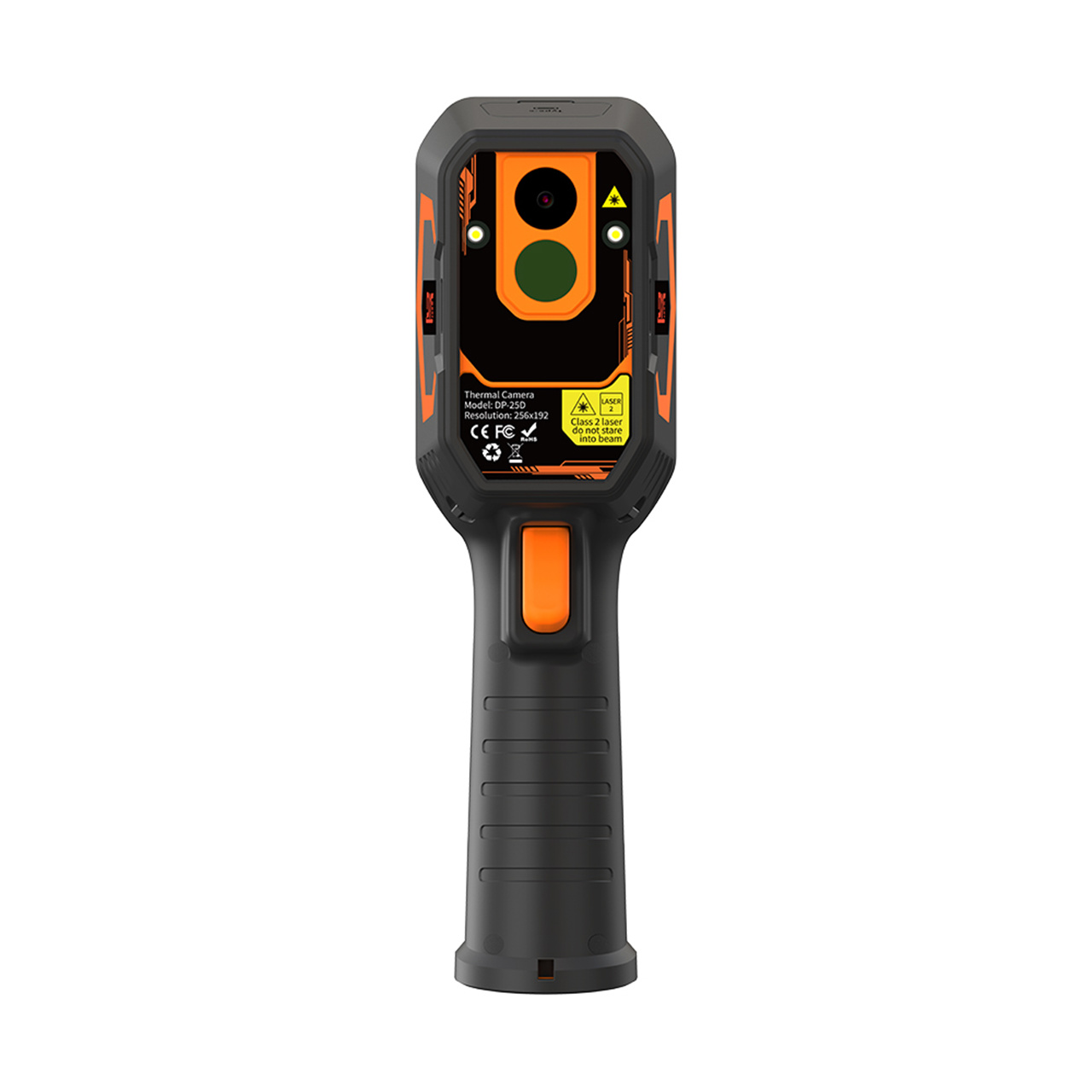
Request Pricelist for PolandExplore our full range of professional infrared thermal imaging cameras, all available for distribution and service in the Polish market with CE certification and local support.